The SkinSafeCheck pore-clogging ingredients list
These are the comedogenic ratings this site publishes. The list was already here, uncited, when the current work began, and we have no record of who assembled it. The papers on the method are listed at the end of this page, and nobody here has tested anything. The pore clogging ingredient checker reads a product label against this list and says for each rating whether we could trace it to a paper. On a few common ingredients the published studies give lower numbers than this list does: where the list and the research disagree.
If you struggle with acne, blackheads, or textured skin, the culprit might be hiding in your daily skincare routine. Many popular moisturizers, serums, and makeup products contain pore clogging ingredients that trap dead skin cells and sebum, leading to breakouts.
To help you achieve clear skin, we have compiled this comprehensive comedogenic ingredients list. Use this guide to cross-reference your product labels and avoid ingredients that clog pores.
Use our Interactive Skincare Ingredient Checker to instantly scan your product's formula for any comedogenic triggers.
Understanding the Comedogenic Scale
Before diving into the list, it's important to it is vital to understand What Is Comedogenic and how these ingredients are rated. The comedogenic scale measures how likely an ingredient is to cause comedones (clogged pores).
- Rating 0: Non-comedogenic.
- Rating 1–2: Low risk; unlikely to cause issues for most individuals.
- Rating 3–5: High risk; these are the primary ingredients that clog pores and should be avoided in leave-on products.
If you are unsure about a specific blend, our pore clogging checker can analyze the entire formula at once for a more accurate risk assessment.
The A–Z Pore-Clogging Ingredients Table
Below is our comprehensive, alphabetical database of cosmetic ingredients, their comedogenic ratings, and their composition type.
Tip: Use the search bar to quickly search this list for specific ingredients.
1
| Cosmetic ingredient | Rating | Composition | Description and usage |
|---|---|---|---|
| 1-Acetoxyhexadecane | 3 Moderate risk | Ester | A synthetic emollient used to soften the skin and improve product texture. |
| 1-Hexadecanol Acetate | 3 Moderate risk | Ester | A fatty acid ester that acts as a skin-conditioning agent and thickener. |
A
| Cosmetic ingredient | Rating | Composition | Description and usage |
|---|---|---|---|
| A & D Additive | 2 Low risk | Vitamins & Herbs | A blend of vitamins A and D added to skincare products. Fulton 1989 graded it 2 in the rabbit-ear test. |
| Acai Berry Oil | 4–5 High risk | Oils (High in oleic acid) | An antioxidant-rich botanical oil used for heavy moisturization. |
| Acetol | 3–5 High risk | Alcohols | An organic compound used as a solvent and fragrance ingredient. |
| Acetulan | 4–5 High risk | Lanolins | A commercial lanolin derivative used to give products a smooth, velvety feel. |
| Acetylated Lanolin | 4 High risk | Lanolin Derivative / Lanolins | Chemically modified sheep sebum used as an intensive, water-resistant moisturizer. |
| Acetylated Lanolin Alcohol | 4 High risk | Lanolin Derivative / Lanolins | A fatty alcohol derived from lanolin used to soften skin and stabilize emulsions. |
| Active Soil Complex | 4 High risk | Minerals | A proprietary mineral blend used for texture and purported anti-aging benefits. |
| Agar | 3 Moderate risk | Polysaccharide / Thickener | A jelly-like substance from red algae used as a natural binding and thickening agent. |
| Ahnfeltia Concinna | 3–4 High risk | Seaweed / Marine Algae | A red marine algae extract used to hydrate and form a protective film on the skin. |
| Alaria Esculenta | 3–4 High risk | Seaweed / Marine Algae | A brown algae used for its amino acids and antioxidant properties. |
| Algae / Algae Extract | 3–5 High risk | Seaweed / Marine Botanicals | A broad category of marine plant extracts used in moisturizers and masks. |
| Algin / Alginate | 4 High risk | Seaweed Derivative / Polysaccharide / Thickener | Derived from brown seaweed, used to thicken liquids and create gel-like textures. |
| Aloe Butter | 5 High risk | Butters | Aloe extract blended with a heavy fat (like coconut oil) for deep moisturizing. |
| Almond Oil (Sweet) | 2 Low risk | Natural Oil | A mild, soothing plant oil used as an emollient and carrier oil. |
| Amaranth Oil | 3 Moderate risk | Oils | A botanical oil high in squalene, used for hydration and barrier repair. |
| Andiroba Seed Oil | 2 Low risk | Natural Oil / Oils (High in oleic acid) | An Amazonian plant oil used to reduce inflammation and moisturize. |
| Anhydrous Lanolin | 5 High risk | Lanolins | Pure, water-free sheep sebum; an extremely heavy occlusive moisturizer. |
| Apricot Kernel Oil (Prunus Armeniaca) | 2–5 High risk | Natural Oil / Oils (High in oleic acid) | A lightweight but oleic-heavy oil used to soften skin and seal in moisture. |
| Arachidic Acid | 2 Low risk | Fatty Acid(s) | A saturated fatty acid found in peanut oil, used as an emulsifier and thickener. |
| Argan Oil (Argania Spinosa) | 3–5 High risk | Oils (High in oleic & linoleic acid) | A popular plant oil used to condition skin and hair. |
| Ascophyllum Nodosum | 4 High risk | Marine Extract / Algae | A brown kelp extract used for its soothing properties and mineral content. |
| Ascorbyl Palmitate | 2–5 High risk | Vitamin C Derivative / Fatty Acids & Derivatives | A fat-soluble form of Vitamin C used as an antioxidant and preservative. |
| Astrocaryum Murumuru Seed Butter | 3–5 High risk | Natural Plant Butter / Fatty Acids | A rich Amazonian butter used to lock in moisture and protect the skin barrier. |
| Avocado Butter | 3–5 High risk | Natural Plant Butter / Butters | Avocado oil hydrogenated into a solid butter for intensive hydration. |
| Avocado Oil (Persea Gratissima) | 3–5 High risk | Natural Oil / Oils (High in oleic acid) | A heavy plant oil used as an emollient in products for dry and mature skin. |
B
| Cosmetic ingredient | Rating | Composition | Description and usage |
|---|---|---|---|
| Babassu Butter | 5 High risk | Butters | A semi-solid plant lipid similar to coconut oil, used as a heavy moisturizer. |
| Babassu Oil | 2 Low risk | Natural Oil / Oils (High in lauric acid) | A clear plant oil used as a lighter, cooling alternative to coconut oil. |
| Baobab Oil | 4–5 High risk | Oils (High in oleic acid) | An African tree oil rich in vitamins, used to deeply moisturize dry skin. |
| Beef Tallow | 3 Moderate risk | Animal Fat | Rendered beef fat used as an occlusive skin conditioner and in soap making. |
| Beeswax (Cera Alba) | 2 Low risk | Animal Wax / Waxes | Natural wax produced by bees, used to thicken creams and create protective barriers. |
| Behenic Acid | 2 Low risk | Fatty Acids | A saturated fatty acid used to provide a soothing feel and opacify cosmetics. |
| Benzaldehyde | 2 Low risk | Fragrance / Solvent | An aromatic compound providing an almond-like scent. |
| Benzoic Acid | 2 Low risk | Preservative | An organic acid used to prevent bacterial and fungal growth in products. |
| Bismuth / Bismuth Oxychloride | 3 Moderate risk | Mineral Colorant / Minerals | A synthetic mineral powder used to give makeup a pearlescent, glowing finish. |
| Black Cumin Seed Oil | 4 High risk | Oils (High in linoleic acid) | A plant oil pressed from black cumin (nigella) seeds. |
| Black Kelp | 3–5 High risk | Seaweed / Marine Algae | A marine plant extract used in moisturizing products. |
| Bladderwrack | 3–5 High risk | Seaweed / Marine Algae | A brown seaweed, high in minerals and iodine, used in moisturizing products. |
| Blue / Blue Green Algae | 3–5 High risk | Botanical Extract / Seaweed / Marine Algae | A microalgae extract used in moisturizing products. |
| Borage Oil | 2–3 Moderate risk | Natural Oil / Oils (High in linoleic acid) | A plant oil high in gamma-linolenic acid (GLA), used to calm irritated skin. |
| Brazil Nut Oil | 2–3 Moderate risk | Natural Oil / Oils (High in oleic acid) | A nutrient-dense oil used as a rich emollient for dry skin and hair. |
| Broccoli Butter | 5 High risk | Butters | A blend of broccoli seed oil and heavy lipids used for intense barrier protection. |
| Brown Algae | 3 Moderate risk | Seaweed / Marine Algae | General classification of seaweed used as water-binding agents and thickeners. |
| Buriti Oil | 2 Low risk | Oils (High in oleic acid) | An Amazonian oil rich in beta-carotene, used to soothe and protect the skin. |
| Butyl Stearate | 3–4 High risk | Ester / Fatty Acids & Derivatives | A synthetic compound used to decrease the thickness of liquids and condition skin. |
| Butyrospermum Parkii (Shea Butter) | 0–5 High risk | Natural Plant Butter (High in oleic/stearic acid) | A rich plant butter from the African shea tree, used as an emollient. |
C
| Cosmetic ingredient | Rating | Composition | Description and usage |
|---|---|---|---|
| Cacao Seed Butter | 4 High risk | Natural Plant Butter | Extracted from cocoa beans, used to provide a rich, creamy texture and deep hydration. |
| Cajeput Oil | 2 Low risk | Essential Oil | An essential oil from the melaleuca family used for its natural scent and antiseptic traits. |
| Calendula Extract | 1 Low risk | Botanical Extract | Marigold flower extract used to soothe, calm, and reduce skin inflammation. |
| Camellia Oil | 4–5 High risk | Oils (High in oleic acid) | A lightweight but highly emollient green tea seed oil used for deep moisturizing. |
| Camphor / Camphor Oil | 2 Low risk | Terpene / Fragrance / Oils | A strong-smelling compound used for its cooling sensation and aromatic properties. |
| Canola Oil | 3–4 High risk | Natural Oil / Vegetable Oils | An inexpensive culinary oil sometimes used as a base emollient in cosmetics. |
| Capric Acid | 2 Low risk | Fatty Acid(s) & Derivatives | A fatty acid derived from coconut/palm oil, used to condition skin and add fragrance. |
| Carnauba Wax | 1 Low risk | Plant Wax | A hard wax from Brazilian palm leaves, used to firm up lipsticks and balms. |
| Carrageenan (Chondrus Crispus) / Carrageenan Moss | 3–5 High risk | Polysaccharide / Thickener / Seaweed / Marine Algae | A seaweed derivative used to bind water and create smooth, gel-like textures. |
| Carrot Butter | 5 High risk | Butters | A heavy lipid blend infused with carrot extract to deliver beta-carotene. |
| Carrot Seed Oil | 3–4 High risk | Carrier / Essential Oil / Oils (High in oleic acid) | An oil from carrot seeds, used in skincare for its scent and colour. |
| Castor Oil (Ricinus Communis) | 1–2 Low risk | Natural Oil / Oils (High in ricinoleic acid) | A thick, viscous oil used to lock in moisture and often used in lip glosses and soaps. |
| Caulerpa Lentillifera Extract | 4 High risk | Marine Extract / Algae | "Sea grape" extract used for its high water-retention and mineral properties. |
| Ceteareth-20 | 2–4 High risk | Emulsifier / Surfactant / Alcohols & Derivatives | A synthetic emulsifier that helps water and oil mix. Fulton 1989 graded it 2 on its own and 4 when mixed with cetearyl alcohol. |
| Cetearyl Alcohol | 2 Low risk | Fatty Alcohol / Alcohols & Derivatives | A mixture of fatty alcohols used to soften skin and thicken creams (not a drying alcohol). |
| Cetearyl Alcohol + Ceteareth 20 | 4 High risk | Emulsifier Blend | A common emulsifying wax mixture. Fulton 1989 graded the mixture 4, against 2 for cetearyl alcohol and 2 for ceteareth-20 on their own. |
| Cetyl Acetate | 4 High risk | Ester / Fatty Acids & Derivatives | A skin-conditioning ester that provides a velvety, water-repellent film on the skin. |
| Cetyl Alcohol | 2 Low risk | Fatty Alcohol / Alcohols & Derivatives | A common fatty alcohol used as an emollient, emulsifier, and thickening agent. |
| Chaetomorpha Linum | 4 High risk | Marine Extract / Algae | A green algae extract utilized for its skin-conditioning and antioxidant properties. |
| Chaulmoogra Oil | 2 Low risk | Natural Oil | An oil from the seeds of the chaulmoogra tree, historically used in medicine. Fulton 1989 graded it 1 in the rabbit-ear test. |
| Cherry Seed Oil | 2 Low risk | Natural Oil | A lightweight fruit oil rich in antioxidants and vitamins, used for hydration. |
| Chlorella / Chlorella Vulgaris Extract | 3–4 High risk | Seaweed / Marine Algae | A green microalgae packed with peptides and amino acids, used for skin firming. |
| Cladosiphon Okamuranus Extract | 4 High risk | Marine Extract / Algae | An Okinawa brown seaweed extract known for its moisture-retaining mucilage (fucoidan). |
| Coal Tar | 5 High risk | Hydrocarbon / Miscellaneous | A thick, dark byproduct of coal used medicinally for psoriasis and dandruff. |
| Cocoa Butter (Theobroma Cacao) | 4 High risk | Natural Plant Butter / Butters (High in oleic/stearic acid) | A heavy, solid plant fat used to provide deep moisture and structural rigidity to products. |
| Coconut Alkanes | 4 High risk | Hydrocarbon / Emollient / Oils / Fatty Acids | A synthetic silicone alternative derived from coconut oil, used for a smooth, dry finish. |
| Coconut Butter | 4 High risk | Natural Plant Butter / Butters (High in oleic/stearic acid) | Pureed coconut meat, richer than coconut oil, used for heavy duty moisturization. |
| Coconut Oil (Cocos Nucifera) | 4–5 High risk | Natural Oil / Oils (High in lauric acid) | A highly popular, solid-at-room-temp plant oil used as a heavy occlusive moisturizer. |
| Coffee Butter | 5 High risk | Butters | Coffee seed oil blended into a solid fat base, used for antioxidant delivery and moisturization. |
| Colloidal Sulfur | 3 Moderate risk | Mineral(s) / Vitamins & Herbs | Finely ground sulfur used in acne and rosacea products. |
| Corallina Officinalis / Corallina Officinalis Extract | 3–4 High risk | Seaweed / Marine Algae | An extract of a red seaweed that builds a chalky skeleton, used in masks and moisturizers. |
| Corn Oil (Zea Mays) | 3 Moderate risk | Natural Oil / Vegetable Oils | An inexpensive, readily available vegetable oil used as a skin conditioning agent. |
| Cotton Seed Oil | 3 Moderate risk | Natural Oil / Oils (High in linoleic acid) | A plant oil used in cleansing oils and moisturizers to soften the skin. |
| Cranberry Butter | 5 High risk | Butters | A blend of cranberry seed oil and heavy lipids used for barrier repair. |
| Cranberry Seed Oil | 2 Low risk | Natural Oil | An oil with a balanced ratio of Omega 3, 6, and 9, used for lightweight hydration. |
D
| Cosmetic ingredient | Rating | Composition | Description and usage |
|---|---|---|---|
| D&C Red Pigments (#3, 17, 19, 21, 27, 30, 36, 40) | 2–3 Moderate risk | Synthetic Dye(s) / Pigments | Coal tar-derived synthetic colorants used extensively in blushes, lipsticks, and foundations. |
| Date Seed Oil | 3 Moderate risk | Oils (High in oleic acid) | An oil rich in phytosterols and ursolic acid, used for anti-aging and moisturizing. |
| Decyl Oleate | 3 Moderate risk | Ester / Emollient / Fatty Acids & Derivatives | A skin-conditioning ester used to make products spread easily and feel less greasy. |
| Di (2-ethylhexyl) Succinate | 2–3 Moderate risk | Ester / Fatty Acids & Derivatives | A synthetic solvent and emollient that provides a light, non-oily feel. |
| Dictyopteris Membranacea | 4 High risk | Marine Extract / Algae | A brown algae extract often used for skin-brightening and plumping claims. |
| Dioctyl Malate | 3 Moderate risk | Ester / Fatty Acids & Derivatives | A synthetic ester that acts as an emollient and helps disperse pigments in makeup. |
| Dioctyl Succinate | 3 Moderate risk | Ester / Fatty Acids & Derivatives | An emollient used to improve the texture, spreadability, and slip of lotions. |
| Disodium Laureth Sulfosuccinate | 2 Low risk | Surfactant | A gentle, large-molecule cleansing agent used as an alternative to harsh sulfates. |
| Disodium Monooleamido PEG-2 / PEG-2 Sulfosuccinate | 4 High risk | Surfactant(s) & Detergents | A mild foaming and cleansing agent used in shampoos and body washes. |
| Dodecanoic Acid (Lauric Acid) | 4 High risk | Fatty Acid | The main fatty acid found in coconut oil, used as a cleanser and emulsifier base. |
| Dulse (Palmaria Palmata) | 3–4 High risk | Seaweed / Marine Algae | A red marine algae used for its high concentration of vitamins and trace minerals. |
| Dunaliella Salina Extract | 4 High risk | Marine Extract / Algae | An extract of a microalga rich in beta-carotene, used as an antioxidant ingredient. |
E
| Cosmetic ingredient | Rating | Composition | Description and usage |
|---|---|---|---|
| Ecklonia (all species) / Ecklonia Cava Extract | 3–4 High risk | Seaweed / Marine Algae | An edible brown seaweed used in cosmetics for its strong antioxidant (polyphenol) content. |
| Eicosanoic Acid | 2 Low risk | Fatty Acid(s) & Derivatives | A saturated fatty acid used to add opacity and thickness to cosmetic formulas. |
| Emu Oil | 3 Moderate risk | Oils (High in oleic acid) | An oil rendered from emu fat, used as an emollient. |
| Emulsifying Wax NF | 2 Low risk | Emulsifier / Waxes | A standard chemical wax blend used to seamlessly bind water and oil together in creams. |
| Enteromorpha Compressa | 3–4 High risk | Seaweed / Marine Algae | A green algae used to soothe the skin and reduce the appearance of wrinkles. |
| Ethoxylated Lanolin | 3 Moderate risk | Lanolin Derivative / Lanolins | Lanolin processed with ethylene oxide to make it water-soluble; used as an emulsifier. |
| Ethylhexyl Palmitate | 4 High risk | Ester / Emollient / Fatty Acids & Derivatives | A palm-oil derivative used as a silicone alternative to give products a "dry slip" feel. |
| Ethylhexyl Pelargonate | 2–3 Moderate risk | Ester / Fatty Acids & Derivatives | A lightweight synthetic ester used to condition the skin and improve texture. |
| Ethylhexyl Stearate | 4 High risk | Ester | An emollient used to prevent water loss and give products a rich, luxurious feel. |
| Evening Primrose Oil | 2–3 Moderate risk | Natural Oil / Oils (High in linoleic acid) | A plant oil rich in gamma-linolenic acid, used as an emollient. Fulton 1989 graded it 3 in the rabbit-ear test. |
F
| Cosmetic ingredient | Rating | Composition | Description and usage |
|---|---|---|---|
| Flaxseed Oil (Linseed Oil) | 4 High risk | Natural Oil / Oils (High in alpha linolenic acid) | A plant oil packed with omega-3s, used to soothe skin, though prone to rapid oxidation. |
| Fucoxanthin | 4 High risk | Marine Derivative | A brown pigment found in algae, used as an antioxidant ingredient. |
| Fucus Vesiculosus | 3–5 High risk | Seaweed / Marine Algae | Also known as bladderwrack; a brown seaweed used in moisturizing products. |
G
| Cosmetic ingredient | Rating | Composition | Description and usage |
|---|---|---|---|
| Gelidiella Acerosa Extract | 4 High risk | Marine Extract / Algae | A red seaweed extract used to condition and remineralize the skin barrier. |
| Gelidium Cartilagineum | 3 Moderate risk | Seaweed / Marine Algae | A red marine algae utilized to improve skin elasticity and hydration. |
| Gigartina Stellata Extract | 4 High risk | Marine Extract / Algae | A type of red algae used similarly to carrageenan for its moisture-binding capabilities. |
| Glyceryl Oleate | 5 High risk | Alcohols & Derivatives | An ester of glycerin and oleic acid used to stabilize water-in-oil emulsions. |
| Glyceryl Stearate SE | 3 Moderate risk | Emulsifier / Alcohols & Derivatives | A self-emulsifying form of glyceryl stearate used to form stable lotions and creams. |
| Glyceryl-3-Diisostearate | 4 High risk | Emulsifier / Alcohols & Derivatives | A heavy duty synthetic emulsifier often used in rich, water-resistant sunscreens and foundations. |
| Glycine Soja (Soybean) Oil | 3–5 High risk | Natural Oil / Oils (High in linoleic acid) | An inexpensive plant oil widely used as a moisturizing base and carrier oil. |
| Grapeseed Butter | 5 High risk | Butters | Hydrogenated grapeseed oil creating a creamy solid used for heavy moisturization. |
| Grapeseed Oil (Vitis Vinifera) | 1–4 High risk | Natural Oil / Vegetable Oils (High in linoleic acid) | A light plant oil high in linoleic acid. Morris and Kwan 1983 graded it 2 to 3 in the rabbit-ear test. |
| Groundnut Oil | 5 High risk | Oils | Another term for peanut oil; a heavy occlusive oil used to trap moisture. |
| Guava Seed Oil | 2 Low risk | Oils (High in linoleic acid) | A lightweight tropical fruit oil rich in vitamins A and C, used for brightening and hydration. |
H
| Cosmetic ingredient | Rating | Composition | Description and usage |
|---|---|---|---|
| Haematococcus Pluvialis Extract | 4 High risk | Marine Extract / Algae | An extract of a freshwater microalga that makes astaxanthin, an antioxidant pigment. |
| Haslea Ostrearia / Haslea Ostrearia Extract | 3–4 High risk | Seaweed / Marine Algae | A blue microalgae extract known as "blue navicula," used for skin conditioning. |
| Hazelnut Seed Oil | 4–5 High risk | Oils (High in oleic acid) | A nut oil used to soften the skin. |
| Hemp Seed Oil | 0 Non-comedogenic | Natural Oil | A plant oil pressed from hemp seeds, used as an emollient. Our list rates it 0. |
| Hexadecanol Acetate | 3 Moderate risk | Ester | A synthetic skin-conditioning agent used to create a protective barrier on the skin. |
| Hexadecyl Alcohol | 5 High risk | Alcohols & Derivatives | Another name for cetyl alcohol, a fatty alcohol used to thicken and stabilize products. Our list rates the same substance 2 under the name cetyl alcohol. |
| Hexylene Glycol | 2 Low risk | Solvent / Humectant | A solvent and viscosity-decreasing agent used to thin out heavy formulations. |
| Himanthalia Elongata / Himanthalia Elongata Extract | 3–4 High risk | Seaweed / Marine Algae | An extract of the seaweed known as sea spaghetti, used in moisturizing products. |
| Hizikia Fusiforme Extract | 4 High risk | Marine Extract / Algae | A brown seaweed extract used in skincare. |
| Hydrogenated Castor Oil | 2 Low risk | Hydrogenated Natural Oil / Oils | Castor oil turned into a hard wax, used to stiffen formulations like deodorants and lipsticks. |
| Hydrogenated Vegetable Oil | 3 Moderate risk | Hydrogenated Oil / Vegetable Oils | Vegetable oil made solid at room temperature; acts as a heavy, protective occlusive. |
| Hydrolyzed Rhodophyceae Extract | 3–4 High risk | Seaweed / Marine Algae | Red algae broken down by water to improve its ability to penetrate and hydrate the skin. |
| Hypnea Musciformis / Hypnea Musciformis Extract | 3–4 High risk | Seaweed / Marine Algae | A red algae extract used primarily as a skin-conditioning agent and antioxidant. |
I
| Cosmetic ingredient | Rating | Composition | Description and usage |
|---|---|---|---|
| Illipe Butter | 4–5 High risk | Butters (High in oleic acid) | A hard plant butter similar to cocoa butter, used to restore elasticity and moisture. |
| Irish Moss | 5 High risk | Marine Extract / Algae | A species of red algae heavily relied upon to thicken natural cosmetic formulas. |
| Isocetyl Alcohol | 4 High risk | Fatty Alcohol / Alcohols & Derivatives | A branched fatty alcohol used to provide a non-greasy, softening effect to the skin. |
| Isocetyl Stearate | 5 High risk | Ester / Alcohols & Derivatives | A very heavy synthetic ester used to lubricate the skin surface and prevent moisture loss. |
| Isodecyl Oleate | 3–4 High risk | Ester / Fatty Acids & Derivatives | A lightweight emollient used to give products a smooth, elegant, fast-absorbing feel. |
| Isopropyl Isostearate | 5 High risk | Ester / Fatty Acids & Derivatives | An ester used to soften the skin and bind ingredients. Fulton 1989 graded it 5 and Morris and Kwan 1983 graded it 4 in the rabbit-ear test. |
| Isopropyl Lanolate | 4 High risk | Lanolin Derivative | A lanolin-derived ester used as a lubricant in creams and lipsticks. Morris and Kwan 1983 graded it 3 in the rabbit-ear test. |
| Isopropyl Linoleate / Isopropyl Linolate | 4–5 High risk | Ester / Fatty Acids & Derivatives | An emollient and skin conditioner used to impart a smooth, non-tacky finish. |
| Isopropyl Myristate | 5 High risk | Ester / Emollient / Fatty Acids & Derivatives | A synthetic oil used to cut the greasy feel of lotions. Fulton 1989 used it as the reference substance for a grade of 5 in the rabbit-ear test. |
| Isopropyl Neopentanoate | 4 High risk | Ester | A skin-conditioning ester used for its low viscosity and excellent spreadability. |
| Isopropyl Palmitate | 4 High risk | Ester / Emollient / Fatty Acids & Derivatives | A palm oil derivative used to thicken products and give them a silky feel. |
| Isostearic Acid | 4–5 High risk | Fatty Acid(s) | A liquid fatty acid used as an emulsifier and binder in cosmetics and makeup. |
| Isostearyl Alcohol | 2 Low risk | Fatty Alcohol | A fatty alcohol used to soothe the skin and stabilize emulsions. |
| Isostearyl Isostearate | 4 High risk | Ester / Fatty Acids & Derivatives | A skin-conditioning emollient that provides a long-lasting, glossy finish on the skin. |
| Isostearyl Neopentanoate | 3 Moderate risk | Ester / Fatty Acids & Derivatives | An ester used as a binder and skin-conditioning agent in color cosmetics and creams. |
J
| Cosmetic ingredient | Rating | Composition | Description and usage |
|---|---|---|---|
| Jania Rubens Extract | 4 High risk | Marine Extract / Algae | A red calcified seaweed used for its ultra-hydrating and anti-pollution properties. |
| Jojoba Butter | 5 High risk | Butters | Jojoba oil blended with hydrogenated oils to form a solid, intensely moisturizing butter. |
| Jojoba Oil / Butter | 2 Low risk | Liquid Wax | Technically a liquid wax rather than an oil, made mostly of wax esters; stable and used as an emollient. |
| Jojoba Wax | 2 Low risk | Waxes | The solid, hydrogenated form of jojoba used in lip balms and solid skincare products. |
K
| Cosmetic ingredient | Rating | Composition | Description and usage |
|---|---|---|---|
| Kapok Oil | 2–5 High risk | Natural Oil / Oils | Oil extracted from the seeds of the Kapok tree, used occasionally as a skin softener. |
| Kappaphycus Alvarezii Extract | 4 High risk | Marine Extract / Algae | A red algae often used alongside Tara bush extract for its immediate lifting/firming effects. |
| Karanja Oil | 2 Low risk | Oils (High in oleic acid) | A cousin to Neem oil, used for its natural antiseptic and mild UV-absorbing properties. |
| Kelp (Macrocystis Pyrifera) | 3–5 High risk | Seaweed / Marine Algae | Giant sea kelp, high in iodine and minerals, used in moisturizing products. |
| Kukui Nut Butter | 5 High risk | Butters | A butter made from kukui nut oil and heavier fats, used as an emollient. |
| Kukui Nut Oil | 2–3 Moderate risk | Natural Oil / Oils (High in linoleic acid) | A lightweight Hawaiian oil known for penetrating the skin easily without feeling greasy. |
L
| Cosmetic ingredient | Rating | Composition | Description and usage |
|---|---|---|---|
| Laminaria (all species) / Laminaria Digitata / Laminaria Saccharina | 3–5 High risk | Seaweed / Marine Algae | Brown seaweeds (kelp) used in moisturizing products. |
| Laneth-10 | 2–4 High risk | Lanolin Derivative / Lanolins | A polyethylene glycol derivative of lanolin alcohol used as an emulsifier and surfactant. |
| Lanolic Acid | 4–5 High risk | Lanolin Derivative / Lanolins | A fatty acid extracted from lanolin, used to create rich, water-repellent protective creams. |
| Lanolin / Lanolin Oil / Lanolin Acid | 2–4 High risk | Animal Sebum / Lanolins / Oils | A heavy, wax-like substance secreted by sheep; one of the most effective known occlusives. |
| Lanolin Alcohol | 2–4 High risk | Lanolin Derivative / Lanolins | A fraction of lanolin used to improve the stability and thickness of emulsions. |
| Lanolin Wax | 3 Moderate risk | Animal Wax / Waxes | A purified, solid portion of lanolin used to stiffen cosmetics and provide barrier protection. |
| Laureth-4 | 5 High risk | Surfactant / Emulsifier / Alcohols & Derivatives | A synthetic emulsifier and surfactant. Fulton 1989 graded it 5 for follicle plugging and 4 for irritation in the rabbit-ear test. |
| Laureth-23 | 3 Moderate risk | Surfactant / Emulsifier / Alcohols & Derivatives | An emulsifier and cleansing agent generally used to blend oil and water components. |
| Lauric Acid | 4 High risk | Fatty Acid(s) & Derivatives | A fatty acid that makes up much of coconut oil, used in cleansers. Fulton 1989 graded it 4 in the rabbit-ear test. |
| Lauryl Alcohol | 2 Low risk | Alcohols | A fatty alcohol used as a fragrance ingredient, emollient, and emulsion stabilizer. |
| Linseed Oil | 4 High risk | Natural Oil | Also known as flaxseed oil; a plant oil high in alpha-linolenic acid that oxidizes readily. |
| Lithothamnium Calcareum | 4 High risk | Marine Extract / Algae | A red algae consisting mostly of minerals (calcium/magnesium), used for gentle exfoliation. |
M
| Cosmetic ingredient | Rating | Composition | Description and usage |
|---|---|---|---|
| Macadamia Nut Butter | 5 High risk | Butters | Macadamia oil blended into a solid state, providing intense, heavy hydration. |
| Macadamia Nut Oil / Macadamia Oil | 2–5 High risk | Natural Oil / Oils (High in oleic acid) | An oil rich in palmitoleic acid, used in products for dry and mature skin. |
| Macrocystis Pyrifera Extract | 5 High risk | Marine Extract / Algae | An extract of giant kelp, high in iodine and minerals. |
| Magnesium Myristate | 2–3 Moderate risk | Mineral / Fatty Acid Blend | A texturizer created by combining magnesium with myristic acid; used to improve makeup adhesion. |
| Mahua Seed Oil | 5 High risk | Oils | A heavy Indian botanical fat used to produce soaps and ultra-rich skin salves. |
| Mango Seed Butter / Oil | 2 Low risk | Butters / Oils (High in oleic acid) | A plant butter from mango seeds that melts on contact with the skin, used as an emollient. |
| Marine Algae | 3 Moderate risk | Seaweed / Marine Algae | A catch-all term for seaweed extracts used to hydrate, plump, and mineralize the skin. |
| Marula Oil | 3–4 High risk | Natural Oil / Oils (High in oleic acid) | An African plant oil used as an emollient in products for dry skin. |
| Mastocarpus Stellatus | 3–4 High risk | Seaweed / Marine Algae | A red algae used to form a soothing, moisture-retaining film on the skin. |
| Mineral Oil | 1–3 Moderate risk | Hydrocarbon | A purified oil from petroleum used to slow water loss from the skin. Fulton 1989 graded its irritancy 0. |
| Mink Oil | 3 Moderate risk | Animal Oil / Oils (High in oleic acid) | Oil rendered from mink fat, closely resembling human sebum, used to soften skin and hair. |
| Moringa Oil | 3–4 High risk | Natural Oil / Oils (High in oleic acid) | A nutrient-dense oil used to combat environmental stress and deeply moisturize. |
| Mowrah Butter | 3–4 High risk | Butters (High in oleic/palmitic acid) | A plant butter used similarly to cocoa or shea butter to lock in intense moisture. |
| Myreth-3 Myristate | 5 High risk | Ester / Alcohols & Derivatives | A synthetic ester used to condition the skin and improve slip. |
| Myristic Acid | 3 Moderate risk | Fatty Acid(s) & Derivatives | A fatty acid occurring naturally in nutmeg and palm oil, used as an emulsifier and cleanser base. |
| Myristyl Alcohol | 2 Low risk | Fatty Alcohol / Alcohols & Derivatives | A fatty alcohol used to stabilize formulas and prevent oil and water from separating. |
| Myristyl Lactate | 4 High risk | Ester / Fatty Acids & Derivatives | A lactic acid ester used as a skin conditioning agent to provide a smooth, tack-free feel. |
| Myristyl Myristate | 5 High risk | Ester / Fatty Acids & Derivatives | A waxy ester used in lotions to give a rich texture. |
| Myristyl Propionate | 4 High risk | Ester | An emollient that reduces the greasy feel of creams while providing a moisture barrier. |
N
| Cosmetic ingredient | Rating | Composition | Description and usage |
|---|---|---|---|
| Neem Butter | 5 High risk | Butters | Neem oil made solid with heavier fats, used in skin and hair products. |
| Neem Oil | 5 High risk | Oils (High in oleic acid) | A strong-smelling plant oil from the neem tree, used in skin and hair products. |
| Nori | 3 Moderate risk | Seaweed / Marine Algae | An edible red seaweed used in cosmetics for its high vitamin and amino acid content. |
| Norwegian Kelp | 3–5 High risk | Seaweed / Marine Algae | A brown algae utilized for its exceptional ability to bind moisture to the skin surface. |
O
| Cosmetic ingredient | Rating | Composition | Description and usage |
|---|---|---|---|
| Octyl Palmitate | 4 High risk | Ester / Fatty Acids & Derivatives | Now commonly called Ethylhexyl Palmitate; a palm derivative used for "dry" lubrication. |
| Octyl Stearate | 5 High risk | Ester / Fatty Acids & Derivatives | A heavy synthetic ester used to thicken and stabilize creams, leaving a thick barrier. |
| Octyldodecanol | 2 Low risk | Fatty Alcohol | A long-chain fatty alcohol used to soothe the skin and help dissolve other active ingredients. |
| Olea Europaea (Olive) Oil | 3–5 High risk | Natural Oil / Vegetable Oils (High in oleic acid) | A heavy plant oil, the same one used in cooking, used in products for very dry skin. |
| Oleic Acid | 3–5 High risk | Fatty Acid(s) | A monounsaturated fatty acid found in many plant oils, used as an emollient. |
| Oleth-3 / Oleth-3 Phosphate | 2–5 High risk | Surfactant / Emulsifier / Alcohols & Derivatives | A synthetic compound used to dissolve oils into water-based formulas. |
| Oleth-5 | 3 Moderate risk | Surfactant / Emulsifier / Alcohols & Derivatives | A surfactant and emulsifier derived from oleic acid used in cleansing products. |
| Oleth-10 | 2–4 High risk | Surfactant / Emulsifier / Alcohols & Derivatives | Used to help fragrances and essential oils dissolve completely into cosmetic bases. |
| Oleyl Alcohol | 4 High risk | Fatty Alcohol / Alcohols & Derivatives | An unsaturated fatty alcohol used as a thickener, emollient, and carrier for other ingredients. |
| Olive Butter | 5 High risk | Butters | Olive oil hydrogenated into a solid state, used for intense, heavy barrier protection. |
P
| Cosmetic ingredient | Rating | Composition | Description and usage |
|---|---|---|---|
| Padina Pavonica | 3–4 High risk | Seaweed / Marine Algae | A brown algae used to stimulate the synthesis of glycosaminoglycans (like hyaluronic acid). |
| Palm Kernel Oil | 4–5 High risk | Natural Oil / Oils | Pressed from the kernel of the oil palm fruit; high in lauric acid, which Fulton 1989 graded 4. |
| Palm Oil | 4–5 High risk | Natural Oil / Oils (High in lauric acid) | Extracted from the fleshy fruit of palms; used to create thick, rich creams and soaps. |
| Palmaria Palmata | 3 Moderate risk | Seaweed / Marine Algae | Also known as dulse; a red seaweed used in skincare. |
| Palmitic Acid | 2–3 Moderate risk | Fatty Acid(s) & Derivatives | A fatty acid used to opacify formulas, act as a surfactant, and condition the skin. |
| Papaya Seed Oil | 2–3 Moderate risk | Natural Oil / Oils (High in oleic acid) | A fruit oil containing naturally exfoliating enzymes, used to brighten and moisturize. |
| Passionfruit (Maracuja) Seed Oil | 2 Low risk | Oils (High in linoleic acid) | A lightweight, fast-absorbing oil used to regulate sebum and calm inflammation. |
| Peach Kernel Oil | 2–4 High risk | Natural Oil / Vegetable Oils (High in oleic acid) | A light, easily absorbed botanical oil used in delicate formulations like eye creams. |
| Peanut Oil | 2–3 Moderate risk | Natural Oil / Oils (High in oleic & palmitic acid) | A heavy vegetable oil used as an occlusive moisturizer in traditional salves. |
| Pecan Oil | 2 Low risk | Oils (High in oleic acid) | A soothing botanical oil used to moisturize dry skin without feeling overly heavy. |
| PEG 100 / PEG 150 Distearate | 2 Low risk | Emulsifier / Alcohols & Derivatives | Synthetic polymers used to cleanse the skin and thicken liquid formulations. |
| PEG 16 Lanolin (Solulan 16) | 4–5 High risk | Lanolin Derivative / Lanolins | A chemically altered, water-soluble lanolin used to provide a rich feel to skin and hair. |
| PEG 200 Dilaurate | 3 Moderate risk | Emulsifier / Alcohols & Derivatives | A surfactant and emulsifying agent used primarily in cleansers and shampoos. |
| PEG 8 Castor Oil | 2 Low risk | Alcohols & Derivatives | Ethoxylated castor oil used to solubilize fragrances into water-based products. |
| PEG 8 Stearate | 3 Moderate risk | Emulsifier / Alcohols & Derivatives | An emulsifier used to keep oil and water mixed perfectly in lotions and creams. |
| PEG-40 Hydrogenated Castor Oil | 2 Low risk | Oils | Used predominantly to dissolve essential oils and fragrances into water without turning cloudy. |
| Pelvetia Canaliculata Extract | 4 High risk | Marine Extract / Algae | A brown algae that survives extreme dehydration; used to protect skin from severe water loss. |
| Pentaerythrityl Tetraisostearate | 2 Low risk | Ester / Alcohols & Derivatives | A liquid emollient that adds water-resistance and a glossy finish to lipsticks and sunscreens. |
| Perilla Oil | 2 Low risk | Oils (High in ALA) | A plant oil very rich in alpha-linolenic acid. |
| PG Caprylate/Caprate | 3–5 High risk | Emulsifier / Alcohols & Derivatives | A mixture of propylene glycol and fatty acids used as a skin conditioning agent. |
| PG Dipelargonate | 2–4 High risk | Emulsifier / Alcohols & Derivatives | A synthetic ester used to replace mineral oil; provides excellent spreadability and glide. |
| PG Monostearate | 3 Moderate risk | Emulsifier / Alcohols & Derivatives | Used to stabilize emulsions and opacify formulations, giving them a creamy white look. |
| Phytantriol | 2 Low risk | Alcohol / Sterols | An aliphatic alcohol used to enhance moisture retention and increase the absorption of vitamins. |
| Phytessence Wakame | 3 Moderate risk | Seaweed / Marine Algae | A specific kelp extract marketed for its ability to inhibit the breakdown of hyaluronic acid in the skin. |
| Plankton / Plankton Extract | 3–4 High risk | Seaweed / Marine Botanicals / Marine Extract | Marine biomass used to deliver high doses of moisture, zinc, and protective enzymes. |
| Plum Seed Oil | 2 Low risk | Oils (High in oleic acid) | A fast-absorbing, fragrant oil used for its antioxidant benefits and non-greasy moisture. |
| Polyglyceryl-3-Diisostearate | 4 High risk | Emulsifier / Alcohols & Derivatives | A heavy duty emulsifier used to formulate rich, water-in-oil creams (like nappy rash creams). |
| Porphyra / Porphyra Umbilicalis | 3–4 High risk | Seaweed / Marine Algae | A red seaweed (nori) used in skincare. |
| Porphyridium Cruentum | 4 High risk | Marine Extract / Algae | A red microalgae that secretes a unique protective mucilage; used to hydrate and soothe. |
| Potassium Chloride | 5 High risk | Mineral Salt / Viscosity Modifier / Minerals | A mineral salt used to increase the thickness of the water portion of cosmetic formulas. |
| PPG 10 Cetyl Ether | 3–4 High risk | Emulsifier / Alcohols & Derivatives | A synthetic compound used to condition the skin and improve the texture of lotions. |
| PPG 12 PEG 65 Lanolin Oil | 2–4 High risk | Lanolin Derivative / Lanolins | A highly processed, water-soluble lanolin used as an emollient in hair and skincare. |
| PPG 2 Myristyl Propionate | 3–4 High risk | Ester / Alcohols & Derivatives | An emollient that leaves a smooth, velvety feel on the skin without excessive oiliness. |
| PPG 5 Ceteth 10 Phosphate | 4 High risk | Surfactant / Emulsifier / Alcohols & Derivatives | A synthetic surfactant that helps mix oil and water while conditioning the skin. |
| Prickly Pear Seed Oil | 1–2 Low risk | Oils (High in linoleic acid) | A light oil pressed from the seeds of the prickly pear cactus, used as an emollient. |
| Propylene Glycol Monostearate | 4 High risk | Emulsifier | A lipid used as a co-emulsifier to stabilize creams and create smooth, opaque textures. |
| Pumpkin Seed Oil | 2–3 Moderate risk | Natural Oil / Oils (High in linoleic acid) | An oil rich in zinc and antioxidants, used to lift, firm, and hydrate the skin. |
R
| Cosmetic ingredient | Rating | Composition | Description and usage |
|---|---|---|---|
| Rapeseed Oil | 4 High risk | Natural Oil | Another name for Canola oil; a basic, inexpensive vegetable oil used as a cosmetic base. |
| Red Algae | 5 High risk | Marine Extract / Seaweed / Marine Algae | A broad class of seaweeds used for gelling and moisturizing. |
| Rice Bran Oil | 5 High risk | Oils (High in oleic & linoleic acid) | A plant oil pressed from rice bran, traditionally used in Japanese skincare. |
| Rockweed | 3–4 High risk | Marine Extract / Seaweed / Marine Algae | A type of brown algae (similar to bladderwrack) used to soothe and remineralize the skin. |
| Rosehip Seed Oil / Butter | 1–5 High risk | Natural Oil / Oils / Butters (High in linoleic acid) | A plant oil pressed from rosehip seeds, used as an emollient. |
S
| Cosmetic ingredient | Rating | Composition | Description and usage |
|---|---|---|---|
| Safflower Oil (Cooking variety) | 4 High risk | Vegetable Oils (High in oleic acid) | The high-oleic type of safflower oil, bred for cooking. |
| Sal Seed Butter | 3–4 High risk | Butters (High in stearic acid) | A hard botanical fat used to prevent skin dryness and stabilize emulsion structures. |
| Sandalwood Seed Oil | 2 Low risk | Natural Oil / Oils | An oil derived from sandalwood tree seeds, used to calm inflammation and provide moisture. |
| Sargassum / Sargassum Extract | 3–4 High risk | Seaweed / Marine Algae | A brown algae used to protect the skin barrier and deliver marine minerals. |
| Seaweed / Sea Grass / Sea Whip | 3–5 High risk | Seaweed / Marine Botanicals | Blanket terms for marine plant extracts used in skincare. |
| Sesame Oil / Sesame Seed Oil | 3–5 High risk | Natural Oil / Vegetable Oils (High in linoleic/oleic) | A heavy, traditional Ayurvedic oil used for deep tissue massage and intense moisturization. |
| Shark Liver Oil | 3 Moderate risk | Animal Oil / Oils | The traditional, non-vegan source of Squalene; used to deeply lubricate and soften skin. |
| Sodium Alginate | 4 High risk | Polysaccharide | Derived from seaweed; a water-binding agent used to create thick, bouncy gels. |
| Sodium Laureth Sulfate (SLES) | 3 Moderate risk | Surfactant / Cleanser / Detergents | A foaming cleanser related to sodium lauryl sulfate, used in face washes and shampoos. |
| Sodium Lauryl Sulfate (SLS) | 5 High risk | Surfactant / Cleanser / Detergents | A foaming cleanser and one of the best documented skin irritants: it is the standard substance used to cause irritation in skin studies. Rabbit-ear tests have not shown it to clog pores. |
| Solulan 16 | 4 High risk | Lanolin Derivative | A trademarked name for ethoxylated lanolin, used to provide a rich feel to cosmetics. |
| Sorbitan Isostearate | 2–3 Moderate risk | Emulsifier / Alcohols & Derivatives | An emulsifier often used to stabilize water-in-oil formulas like foundations. |
| Sorbitan Laurate | 2 Low risk | Emulsifier | A mild cleansing agent and emulsifier that is generally well tolerated by skin. |
| Sorbitan Oleate | 3 Moderate risk | Emulsifier / Alcohols & Derivatives | A surfactant made from sorbitol and oleic acid, used to blend water and oil. Fulton 1989 graded it 3 in the rabbit-ear test. |
| Spirulina | 3–4 High risk | Seaweed / Marine Algae / Marine Botanicals | A blue-green microalga rich in B vitamins, used in skincare. |
| Squalene (Shark derived) | 3 Moderate risk | Animal Oil / Hydrocarbon / Oils | An unstable, heavy oil used for hydration. Squalane, its hydrogenated form, has no published rating on this list. |
| Steareth-10 | 4 High risk | Surfactant / Emulsifier / Alcohols & Derivatives | A polyethylene glycol ether of stearic acid used to cleanse and emulsify formulas. |
| Steareth-2 / Steareth-20 | 2 Low risk | Surfactant / Emulsifier / Alcohols & Derivatives | Common emulsifiers used together to create highly stable, smooth cosmetic creams. |
| Stearic Acid | 2–3 Moderate risk | Fatty Acid(s) & Derivatives | A waxy fatty acid used to thicken lotions, stabilize formulas, and act as a mild cleanser. |
| Stearic Acid TEA | 3 Moderate risk | Soap / Emulsifier | A salt formed by Stearic Acid and Triethanolamine; functions as a basic soap and emulsifier. |
| Stearyl Alcohol | 2 Low risk | Fatty Alcohol / Alcohols & Derivatives | A fatty alcohol used to soothe skin, bind oil and water, and thicken cosmetic formulas. |
| Stearyl Heptanoate | 4 High risk | Ester / Fatty Acids & Derivatives | A synthetic ester used to leave a water-repellent, non-greasy film on the skin. |
| Sulfated Castor Oil | 3 Moderate risk | Surfactant / Emulsifier / Miscellaneous | Also known as Turkey red oil; castor oil treated with sulfuric acid so it mixes with water, used in bath oils. |
| Sulfated Jojoba Oil | 3 Moderate risk | Surfactant / Emulsifier / Oils (High in eicosenoic acid) | Chemically altered jojoba oil used to provide conditioning while washing away clean. |
| Sunflower Oil (GMO) / Butter | 1–5 High risk | Oils / Butters (High in linoleic acid) | A widely used, inexpensive carrier oil, sold in high-linoleic and high-oleic (cooking) types. |
| Sweet Almond Oil / Butter | 3–5 High risk | Oils / Butters (High in oleic acid) | A classic plant oil used as an emollient in products for dry skin. |
T
| Cosmetic ingredient | Rating | Composition | Description and usage |
|---|---|---|---|
| Tallow | 2–4 High risk | Animal Fat / Fats (High in oleic acid) | Rendered animal fat, usually beef or mutton, used as an occlusive moisturizer. |
| Tamanu Oil / Butter | 2–5 High risk | Natural Oil / Oils / Butters (High in oleic & linoleic) | A thick, green, strong-smelling oil from the seeds of the tamanu tree. |
| Tocopherol (Vitamin E) | 0–3 Moderate risk | Vitamin / Antioxidant / Vitamins & Herbs | A naturally occurring antioxidant used to prevent oils in cosmetics from going rancid. |
| Tomato Seed Oil | 2 Low risk | Oils (High in linoleic acid) | An oil rich in lycopene and linoleic acid, used to combat free radical damage and hydrate. |
| Tribehenin | 5 High risk | Waxes | A mixture of glycerin and behenic acid used as a conditioning agent and formula thickener. |
| Triethanolamine | 2 Low risk | pH Adjuster | An alkaline substance used to balance the pH of cosmetic formulations. |
U
| Cosmetic ingredient | Rating | Composition | Description and usage |
|---|---|---|---|
| Ulva Lactuca | 3–4 High risk | Seaweed / Marine Algae | Known as sea lettuce; a green seaweed used in moisturizing products. |
| Undaria / Undaria Pinnatifida | 2–4 High risk | Seaweed / Marine Algae | Known as wakame; a brown seaweed used in moisturizing products. |
V
| Cosmetic ingredient | Rating | Composition | Description and usage |
|---|---|---|---|
| Vitamin A Palmitate | 2–3 Moderate risk | Vitamin Derivative / Vitamins & Herbs | An ester of vitamin A used in skincare. Fulton 1989 graded it 1 to 3, varying with the supplier. |
W
| Cosmetic ingredient | Rating | Composition | Description and usage |
|---|---|---|---|
| Wakame | 3–4 High risk | Seaweed / Marine Algae | A brown seaweed extract rich in fucoidan, used in moisturizing products. |
| Walnut Seed Oil | 2 Low risk | Oils (High in linoleic acid) | A lightweight botanical oil with astringent properties used to condition the skin. |
| Water-Soluble Sulfur | 3 Moderate risk | Preservatives & Additives | A water-soluble form of sulfur used in acne and scalp products. Fulton 1989 graded it 3 in the rabbit-ear test. |
| Wheat Germ Glyceride | 3 Moderate risk | Emulsifier / Alcohols & Derivatives | An emulsifier and emollient derived from wheat germ oil, used to soften and condition. |
| Wheat Germ Oil | 5 High risk | Natural Oil / Oils (High in linolenic acid) | A heavy plant oil pressed from wheat germ, naturally rich in vitamin E. |
X
| Cosmetic ingredient | Rating | Composition | Description and usage |
|---|---|---|---|
| Xylene | 4 High risk | Solvent / Miscellaneous Solvents | A harsh solvent occasionally found in nail polishes and specific chemical formulations. |
Z
| Cosmetic ingredient | Rating | Composition | Description and usage |
|---|---|---|---|
| Zea Mays (Corn Starch) | 4 High risk | Miscellaneous | A fine powder used to absorb oil and give makeup a matte finish. |
High-Risk Ingredient Categories to Watch Out For
While it is impossible to memorize all the ingredients that clog pores, you can protect your skin by looking out for these categories, which often score a 4 or 5 on the list:
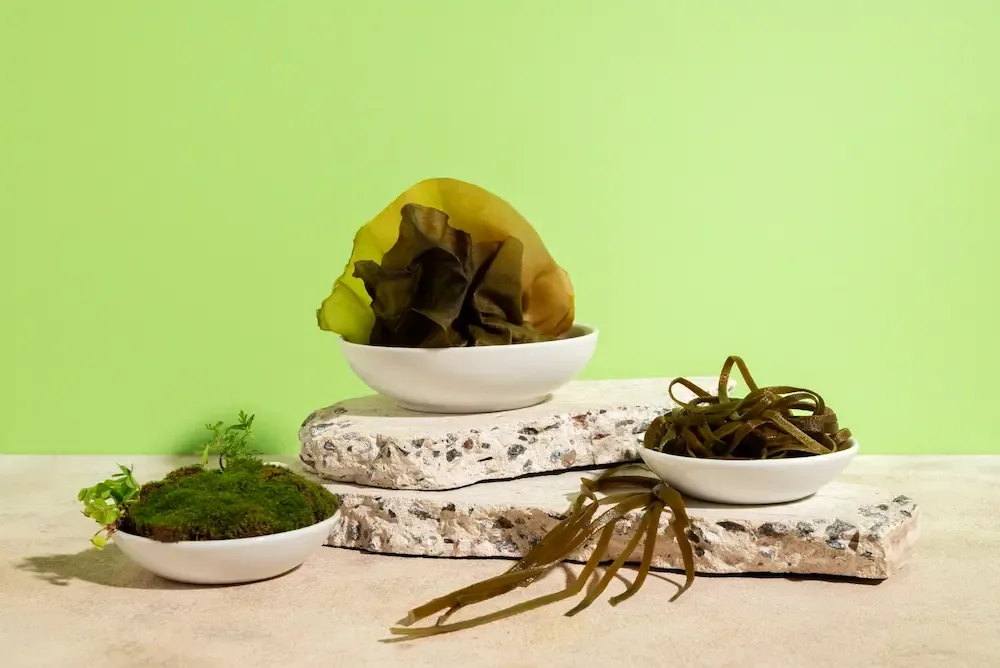
Algae and Seaweeds: Ingredients like Algae Extract, Red Algae, and Irish Moss (often rated 5) carry high numbers on the list despite being marketed as "natural" or "hydrating."
Heavy Oils and Butters: While Hemp Seed Oil is rated 0, heavy oils like Wheat Germ Oil (Rated 5), Coconut Oil (Rated 4-5), and Cocoa Butter (Rated 4) should be kept away from acne-prone faces.
Synthetic Esters: Chemicals that end in "-ate" like Isopropyl Myristate (Rated 5) and Isopropyl Palmitate (Rated 4) are extremely common in foundations and moisturizers to give them a silky feel, and in rabbit-ear tests they graded high: Fulton 1989 used isopropyl myristate as its reference for a 5.
If you are currently experiencing a flare-up, we recommend checking your current routine with our Skincare Ingredient Checker to see if a hidden trigger is to blame.
Building a Lower-Risk Routine
Once you have identified the pore clogging ingredients in your current cabinet, it is time to swap them for safer alternatives. Squalane, Hyaluronic Acid and Glycerin are common choices, though none of the three has a published rating on this list.
Best Non-Comedogenic Products
- Best Non-Comedogenic Moisturizers
- Best Non-Comedogenic Sunscreens
- Best Non-Comedogenic Foundations for Acne-Prone Skin
- Best Non-Comedogenic Concealers
- Best Non-Comedogenic Face Washes & Cleansers
- Best Non-Comedogenic Shampoos for Scalp Acne
- Best Non-Comedogenic Primers for Oily Skin
- Non-Comedogenic Oils: Which Oils Won't Clog Pores?
Skincare Routine
Related guides
The research on the method
- Kligman AM, Mills OH Jr. “Acne cosmetica.” Archives of Dermatology, December 1972;106(6):843–850. (opens in a new tab) The paper that named cosmetic acne and started the search for which ingredients cause it.
- Kligman AM, Kwong T. “An improved rabbit ear model for assessing comedogenic substances.” British Journal of Dermatology, June 1979;100(6):699–702. (opens in a new tab) The rabbit-ear assay behind published 0 to 5 comedogenicity grades.
- Mills OH Jr, Kligman AM. “A human model for assessing comedogenic substances.” Archives of Dermatology, November 1982;118(11):903–905. (opens in a new tab) The human back-skin model, developed because the rabbit ear was known to overstate the risk.
- Fulton JE Jr, Pay SR, Fulton JE 3rd. “Comedogenicity of current therapeutic products, cosmetics, and ingredients in the rabbit ear.” Journal of the American Academy of Dermatology, January 1984;10(1):96–105. (opens in a new tab) Rabbit-ear ratings of ingredients one by one. It is behind a paywall and we have not read it, so no rating on this site is attributed to it.
- Draelos ZD, DiNardo JC. “A re-evaluation of the comedogenicity concept.” Journal of the American Academy of Dermatology, March 2006;54(3):507–512. doi:10.1016/j.jaad.2005.11.1058 (opens in a new tab) Found that animal-model results did not reliably predict what happened on human skin, and that a rating for a single ingredient does not tell you how a finished product will behave.