Nighttime Skincare Routine: Complete Guide
While your morning routine is focused on defense and protection, your nighttime skincare routine is where the heavy lifting happens. As you sleep, your body enters a state of high metabolic activity known as nocturnal repair. During this window, skin cell regeneration nearly doubles, collagen production ramps up, and the skin becomes more permeable, making it the most effective time to apply potent active ingredients.
For those managing acne-prone or sensitive skin, the PM hours are a vital opportunity to undo the day's environmental damage and clear the follicles of accumulated debris. By following a structured, non-comedogenic PM regimen, you give the skin a consistent routine overnight.
The Science of Sleep and Skin Regeneration
During the day, your skin is busy fighting off UV rays and pollution. At night, the absence of these stressors allows the skin to shift its energy toward cellular "cleanup." This process involves shedding dead skin cells and repairing the DNA damage caused by oxidative stress.
However, because the skin's trans-epidermal water loss (TEWL) increases at night, your skin is more prone to dehydration while you sleep. A strategic PM skincare routine must balance high-potency treatments with deep, non-clogging hydration to prevent the barrier from becoming compromised.
Step-by-Step PM Routine for Clear Skin
The routine, in order
-
Step 1: The "Double Cleanse" (Oil-Free Edition)
One of the biggest mistakes in acne-prone skincare is failing to remove water-resistant sunscreen and long-wear makeup properly. A single wash often leaves behind a microscopic film that traps bacteria. Double cleansing ensures a perfectly clean slate.
How to do it
Start with a non-comedogenic micellar water or an oil-free cleansing balm to break down makeup. Follow up with your water-based treatment cleanser to actually clean the skin surface.
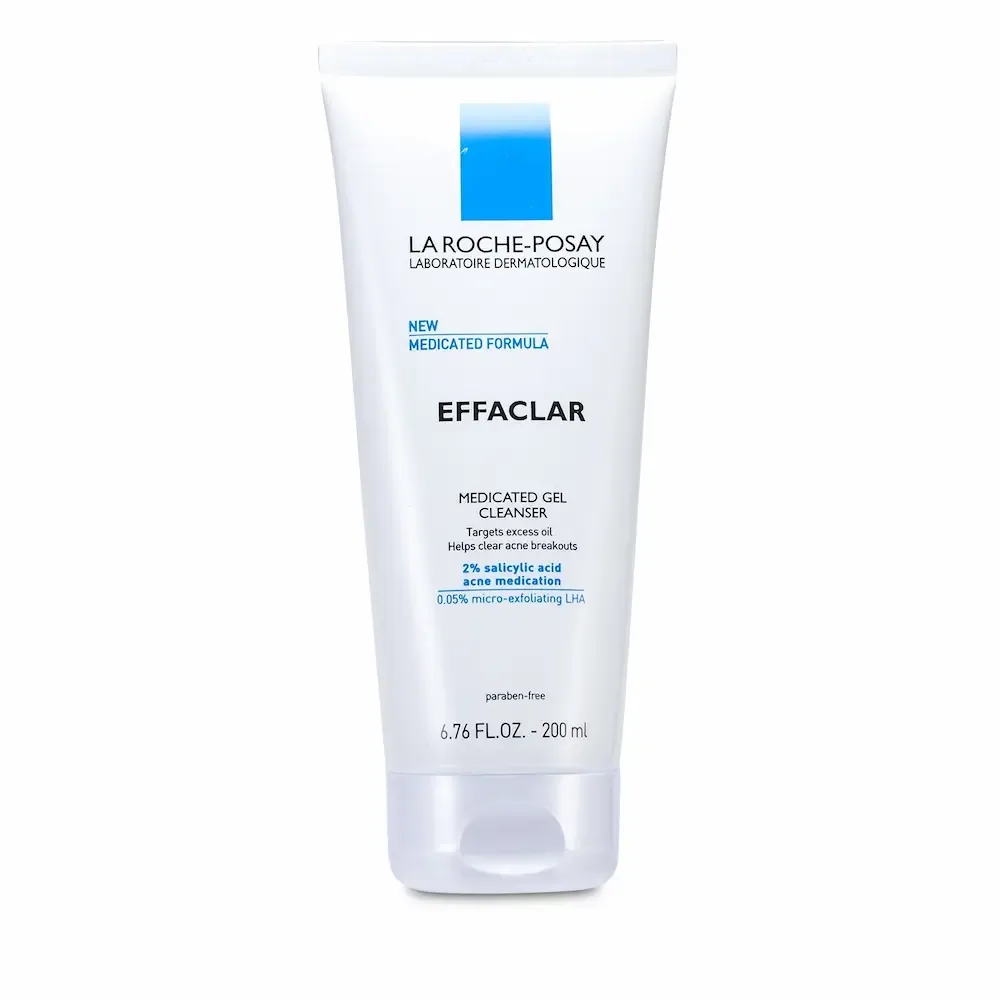
Top recommendation
La Roche-Posay Effaclar Medicated Gel Cleanser
Formulated with 2% Salicylic Acid to target clogged pores at the source.
-
Step 2: The pH Balancing Toner
After cleansing, your skin's pH can be slightly elevated. A soothing toner lowers the pH back to its natural acidic state (around 5.5), which inhibits the growth of C. acnes bacteria and prepares the skin to better absorb subsequent serums.
How to do it
Saturate a cotton round and gently sweep it outward from the center of the face, or press it into the skin with your hands for extra hydration.
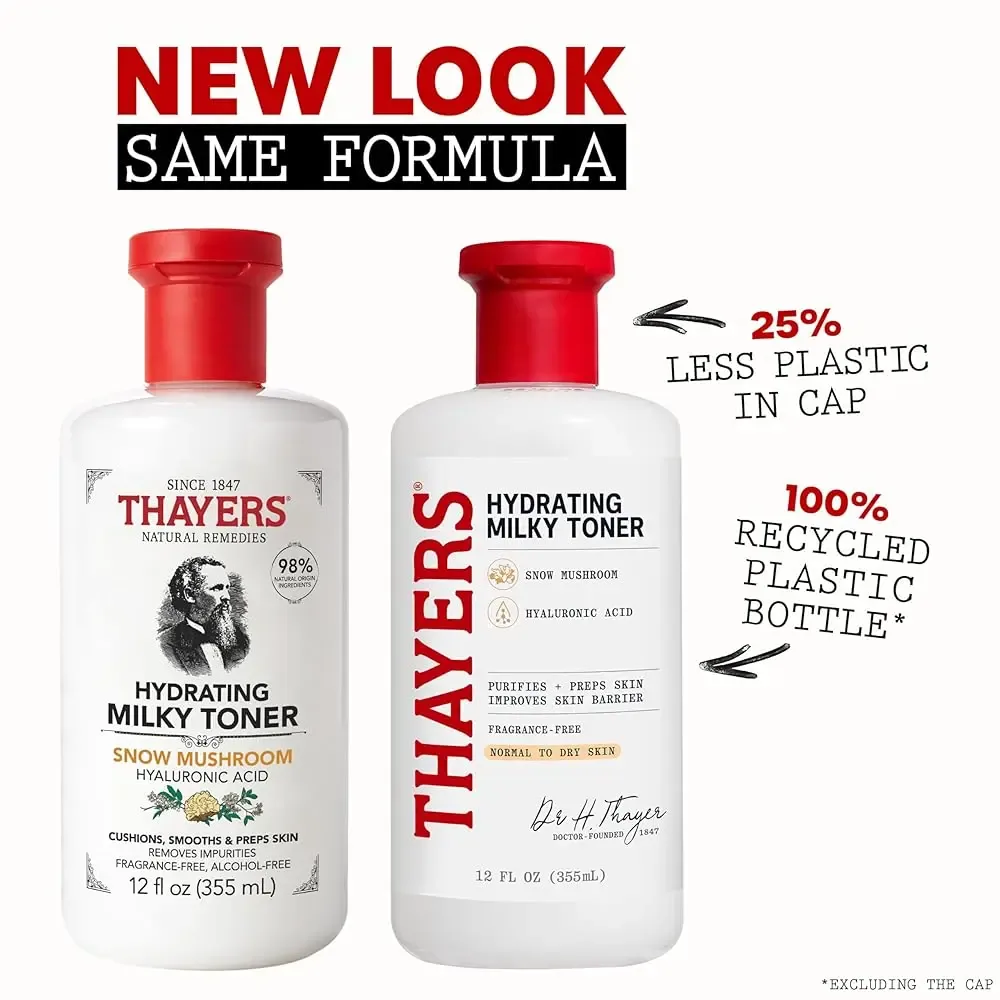
Top recommendation
Thayers Milky Hydrating Face Toner
An alcohol-free option that uses snow mushroom to retain moisture.
-
Step 3: Targeted Treatment (The Power Hour)
This is the "active" phase of your routine. Nighttime is the ideal window for ingredients like Retinoids, AHAs, or BHAs. Because these ingredients increase photosensitivity, they should almost exclusively be used in the evening.
How to do it
If using a retinoid, apply a pea-sized amount to completely dry skin. If you are a beginner, use the "sandwich method": moisturizer, then retinoid, then moisturizer again to buffer irritation.
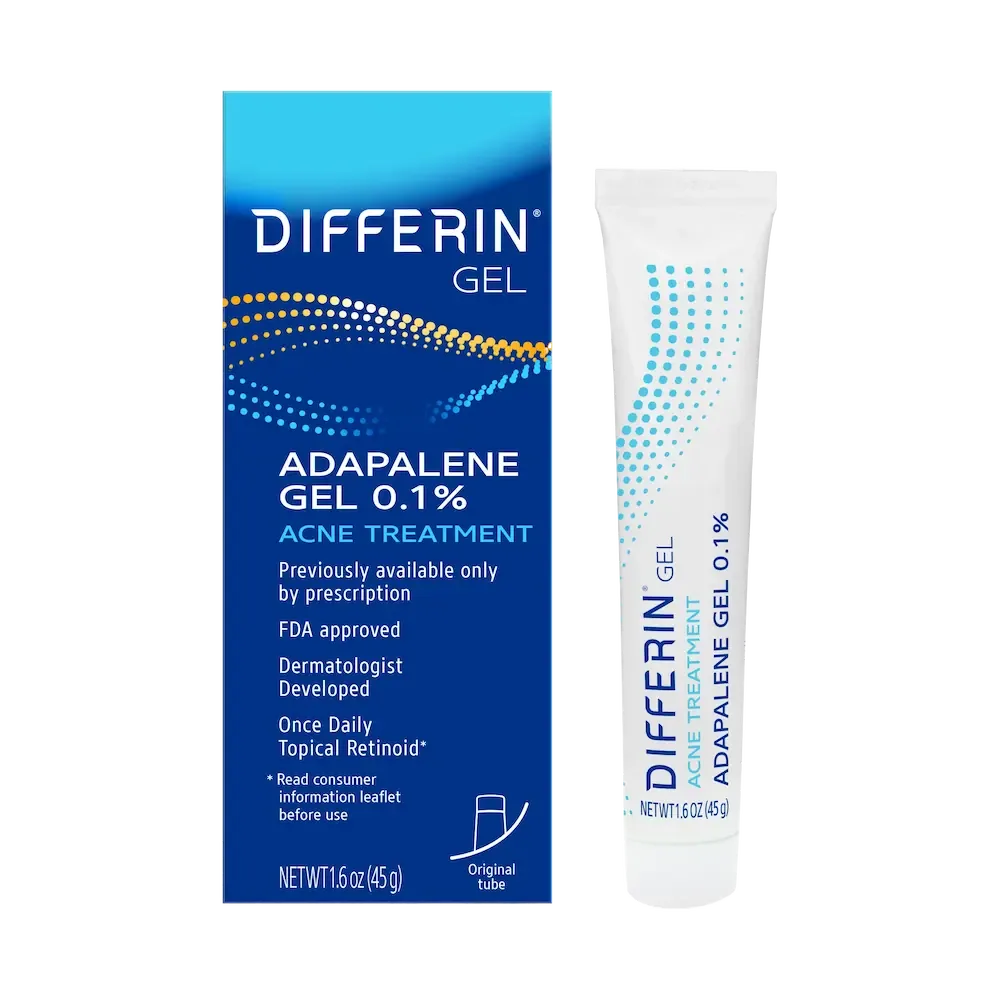
Top recommendation
Differin Adapalene Gel 0.1% Acne Treatment
The first FDA-approved over-the-counter retinoid specifically for acne.
-
Step 4: Specialized Eye Repair
The eye area has fewer oil glands than the rest of the face, meaning it dries out faster overnight. A nighttime eye cream should be richer than your morning version to support the delicate skin barrier while it undergoes repair.
How to do it
Gently pat the product under the eyes and along the brow bone using your ring finger. Avoid the eyelids unless the product is specifically tested for them.
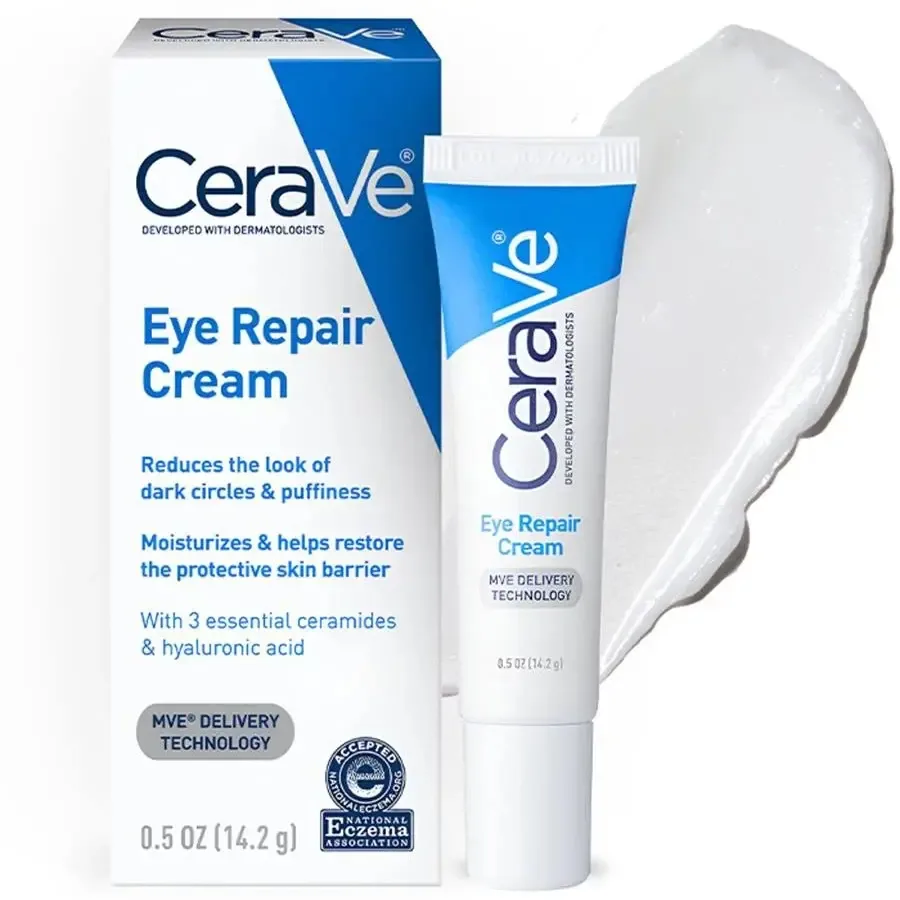
Top recommendation
CeraVe Eye Repair Cream
Uses a marine and botanical complex to reduce dark circles and puffiness without clogging pores.
-
Step 5: Deep Hydration & Barrier Support
Since water loss increases while you sleep, your nighttime moisturizer should be slightly more occlusive than your morning lotion. For acne-prone skin, look for "skin-identical" lipids like ceramides and cholesterol that repair the barrier without using heavy, pore-clogging waxes.
How to do it
Massage into the skin using upward strokes. Don't forget your neck and décolletage, as these areas also undergo nocturnal repair.
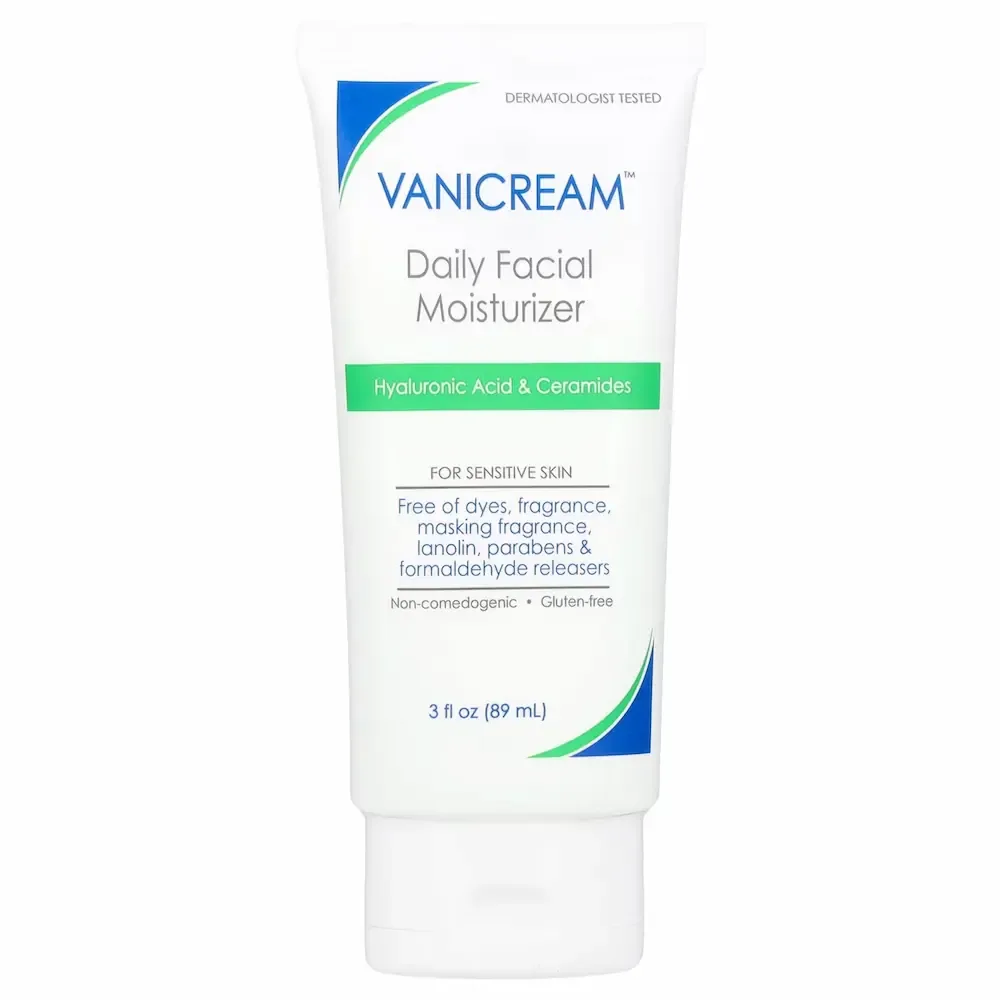
Top recommendation
Vanicream Daily Facial Moisturizer
Features five essential ceramides and hyaluronic acid.
Critical PM Skincare "Do's and Don'ts"
DO Wash Your Pillowcases
No matter how good your routine is, sleeping on a dirty pillowcase will reintroduced bacteria, sweat, and hair product residue to your face. Aim to change them every 2–3 days.
DON'T Apply Actives to Wet Skin
Applying retinoids or acids to damp skin increases their penetration, which sounds good but often leads to severe irritation and chemical burns. Always wait 10–15 minutes after washing.
DO Use a Humidifier
If you live in a dry climate or use AC/Heating, a humidifier prevents the air from sucking moisture out of your skin (TEWL) during the night.
DON'T "Spot Treat" with Toothpaste:
This is a common myth that can lead to permanent scarring and irritation. Stick to hydrocolloid patches or sulfur-based spot treatments.
Strategic Customization: Nightly Rotation
Not every night should be a "heavy" treatment night. Over-processing the skin leads to redness, peeling and more acne. To prevent it, many dermatologists recommend Skin Cycling:
| Night | Focus | Action |
|---|---|---|
| Night 1 | Exfoliation | Use a BHA or AHA to clear dead skin cells. |
| Night 2 | Retinoid | Apply Adapalene or Retinol to trigger cell turnover. |
| Night 3 | Recovery | No actives. Focus only on hydration and barrier repair. |
| Night 4 | Recovery | Repeat the recovery phase to give the skin a rest. |
Common Nighttime Routine Mistakes
The "Kitchen Sink" Approach
Mixing too many actives (like using Vitamin C, Retinol, and Glycolic Acid all at once) will destroy your skin barrier and cause more breakouts.
Skipping the Neck
The neck is an extension of your face. If you only treat your face, you will eventually notice a "skincare line" where the neck appears more aged or textured.
Inconsistent Cleansing
Going to bed with even a "little bit" of makeup or sweat traps bacteria against your skin for 8 hours, which is the fastest way to trigger cystic acne.
Applying Actives to Wet Skin
Applying Retinoids or Acids to damp skin increases their penetration too quickly, which significantly increases the risk of redness, peeling, and chemical burns.
Frequently asked questions
Why does my skin feel more dehydrated at night than during the day?
During sleep, your skin’s “trans-epidermal water loss” (TEWL) increases, meaning moisture evaporates more easily from the skin surface. This is why a nighttime routine should prioritize slightly more occlusive, ceramide-rich moisturizers compared to the lightweight lotions typically used in the morning.
Is a single cleanse enough if I only wore sunscreen during the day?
Most modern sunscreens are formulated to be water-resistant and long-wearing. A single wash often leaves behind a microscopic film that can trap bacteria and debris in your pores overnight. Using a “Double Cleanse”, starting with micellar water or an oil-free balm, ensures you’ve cleared the slate before your treatment products are applied.
What is "Skin Cycling" and how does it help my nighttime routine?
Skin Cycling is a four-night strategic rotation designed to prevent over-processing your skin. It typically involves one night of exfoliation, followed by one night of a retinoid, and finishing with two consecutive nights of recovery (focusing only on hydration and barrier repair). This method ensures you get the benefits of high-potency treatments without destroying your skin barrier.
Is a "Double Cleanse" necessary if I didn't wear makeup during the day?
Yes, especially if you wore water-resistant sunscreen. A single wash often leaves behind a microscopic film of sweat, bacteria, and sunscreen residue that can trap debris in your follicles overnight. An “oil-free” double cleanse, starting with micellar water and following with a treatment cleanser, ensures a perfectly clean slate for your nighttime serums.
Why is my nighttime routine more important for repair than my morning routine?
While your morning routine focuses on defense against UV rays and pollution, your nighttime routine leverages “nocturnal repair.” During sleep, skin cell regeneration nearly doubles and collagen production increases. Additionally, your skin is more permeable at night, making it the most effective time for potent active ingredients to penetrate and work.
Related guides
Sources used on this page
- Fulton JE Jr, Pay SR, Fulton JE 3rd. “Comedogenicity of current therapeutic products, cosmetics, and ingredients in the rabbit ear.” Journal of the American Academy of Dermatology, January 1984;10(1):96–105. (opens in a new tab) Rabbit-ear ratings of ingredients one by one. It is behind a paywall and we have not read it, so no rating on this site is attributed to it.
- Draelos ZD, DiNardo JC. “A re-evaluation of the comedogenicity concept.” Journal of the American Academy of Dermatology, March 2006;54(3):507–512. doi:10.1016/j.jaad.2005.11.1058 (opens in a new tab) Found that animal-model results did not reliably predict what happened on human skin, and that a rating for a single ingredient does not tell you how a finished product will behave.
- U.S. Food and Drug Administration, “Cosmetics Labeling Claims”. (opens in a new tab) States that the FDA does not keep a list of approved or accepted cosmetic claims; a label must simply be truthful and not misleading. There is no FDA definition of “non-comedogenic” for a brand to meet.