Best Non-Comedogenic Shampoos for Scalp Acne
If you’ve been struggling with persistent breakouts along your hairline, forehead, or back of the neck, your hair care routine, not your skincare, might be the culprit. Many traditional shampoos are formulated with heavy silicones, thick oils, and conditioning agents that are designed to coat the hair shaft but often end up suffocating the pores on your scalp. These comedogenic ingredients can travel down to your face during rinsing, leading to "pomade acne" and painful scalp folliculitis.
Non-comedogenic shampoos prioritize scalp health by utilizing breathable, water-soluble ingredients that provide a thorough cleanse without leaving a pore-clogging film. Checking your shampoo is a sensible step for anyone dealing with "bacne" or hairline breakouts, because the runoff from your shower reaches your face, neck and back.
Why Your Shampoo May Be Causing Breakouts
The scalp is an extension of your facial skin, yet it contains more sebaceous glands than almost anywhere else on the body. When you use shampoos containing sodium lauryl sulfate (SLS), coconut oil, or heavy silicones like dimethicone, it is worth checking their ratings: our list rates coconut oil 4 to 5, though the one rabbit-ear study that graded sodium lauryl sulfate found no plugging. Some thickeners used to give shampoo a pearly look also carry ratings on the list.
The Top 10 Best Non-Comedogenic Shampoos
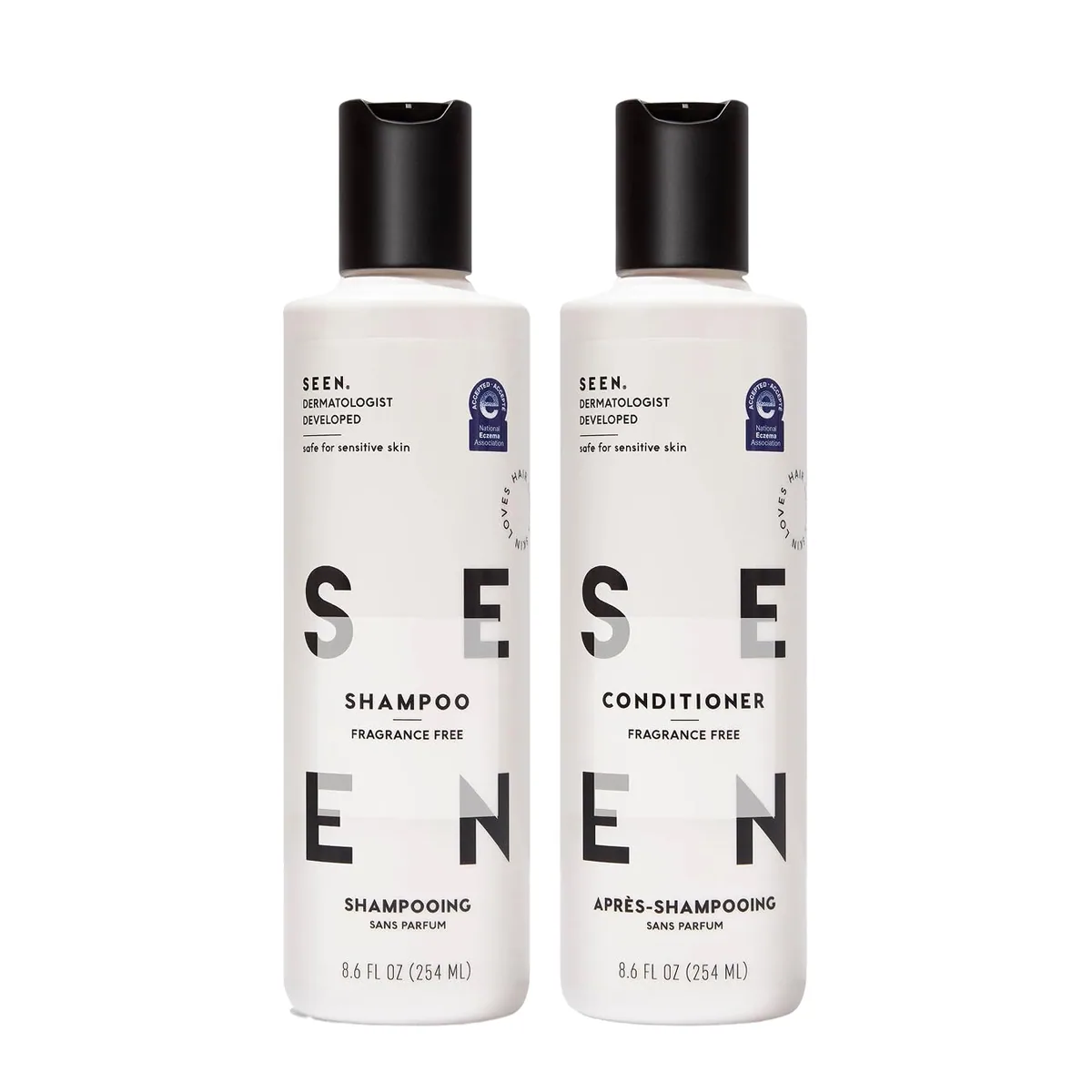
SEEN Skin-Caring Shampoo (Fragrance-Free)
Best Overall for Acne-Prone Skin
Developed by a Harvard-trained dermatologist, SEEN is the pioneer of "skin-caring" hair care.
What works
- Formulated without sulfates, silicones, phthalates, or dyes.
- Provides excellent frizz control and shine without heavy oils.
- Safe for color-treated and keratin-treated hair.
What does not
- Higher price point compared to standard drugstore shampoos.
- Does not produce a heavy lather due to the absence of sulfates.
- May require two washes for those with extremely oily hair.
The use of Hemisqualane is a breakthrough for those needing shine without the "grease trap" effect of dimethicone.
Ingredient list read from SEEN, the maker on 26 September 2026. 19 ingredients, 1 of which this site holds a rating for.
- 0–3 Moderate risk Tocopherol (Vitamin E) listed as “Tocopherol”
Carries an ingredient rated 3 or above: Tocopherol (Vitamin E) (0–3).
A formula can change after we read it, and a maker is not obliged to rename the product when it does. This is what the list said on the date above, not a promise about the jar in your hand. Check the pack.
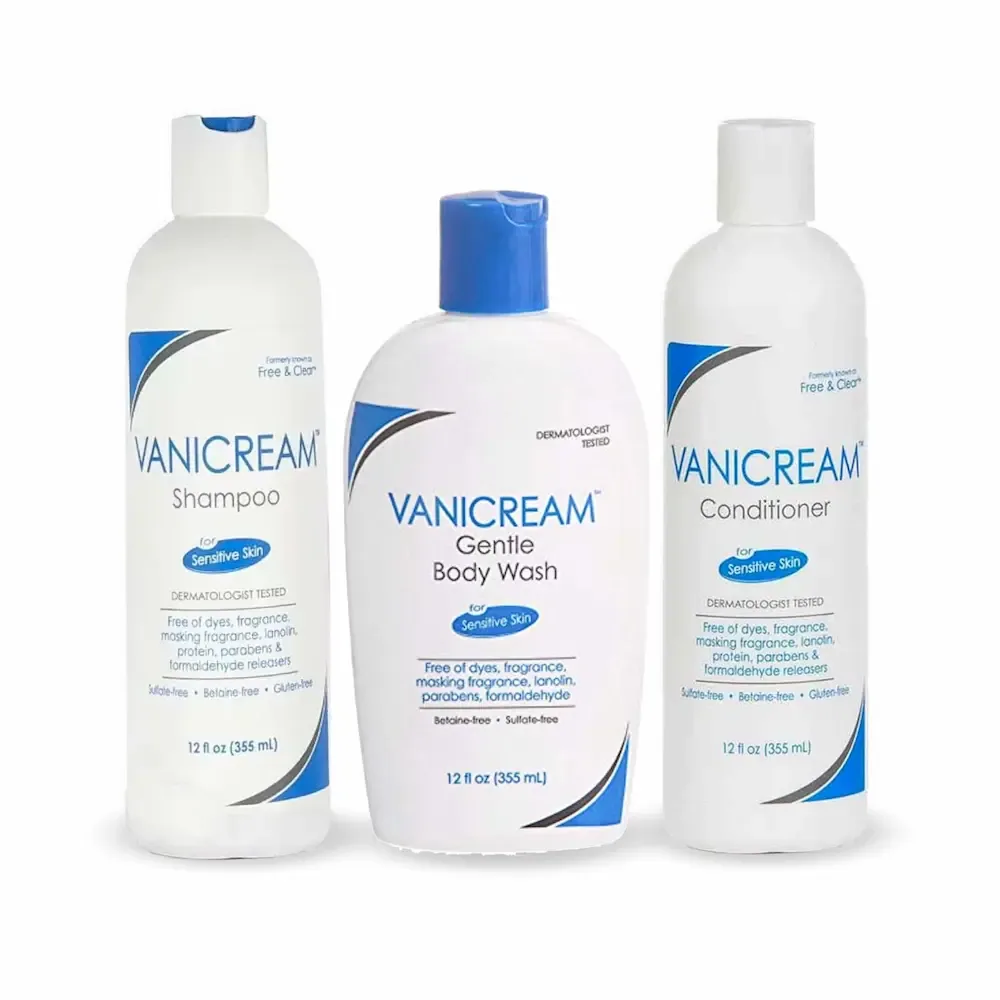
Vanicream Free & Clear Shampoo
Best for Highly Sensitive & Reactive Scalps
Vanicream is widely recommended by dermatologists for patients with eczema, psoriasis, and severe acne.
What works
- Free of dyes, fragrance, parabens, and sulfates.
- pH-balanced for a gentle, non-stripping cleanse.
- Effectively removes excess sebum and styling product buildup.
- Very affordable and accessible for daily family use.
What does not
- Can be slightly drying for those with long or chemically processed hair.
- Lacks "active" ingredients that target dandruff or hair growth.
- The texture is very basic and lacks a luxurious "salon" feel.
This is one of the cleanest formulations available, utilizing high-purity surfactants that rinse away completely.
Ingredient list read from Vanicream, the maker on 26 September 2026. 16 ingredients, 0 of which this site holds a rating for.
Not one ingredient on this list appears on ours. That is not the same as a rating of zero: our list holds the substances with a published comedogenic rating, and most cosmetic ingredients have never been tested for it. What absence means.
Nothing on this list is rated 3 or above.
A formula can change after we read it, and a maker is not obliged to rename the product when it does. This is what the list said on the date above, not a promise about the jar in your hand. Check the pack.
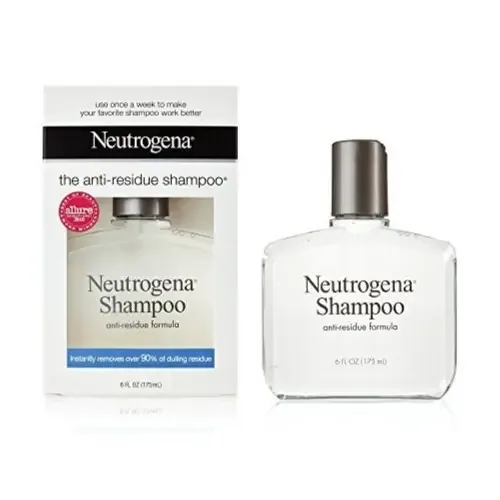
Neutrogena The Anti-Residue Shampoo
Best for Deep Pore Clarification
A clarifying shampoo strips build-up from other products. This clarifying formula is designed to remove up to 90% of heavy, dulling residue left by other shampoos and conditioners. By stripping away the buildup of comedogenic waxes, it allows the scalp to breathe and recover.
What works
- Instantly removes buildup that causes scalp congestion.
- Boosts hair volume by removing the weight of residual oils.
- Clear, oil-free formula.
- Only needs to be used once a week to see significant results.
What does not
- Not intended for daily use as it can be drying if overused.
- Can cause color to fade faster if used on freshly dyed hair.
- Strong "clinical" scent that may not appeal to everyone.
It uses an ultra-simple surfactant system to dissolve oil without adding lipids back to the skin.
We have not tested this product and we do not hold its ingredient list. Read the ingredients on the pack against our pore-clogging list .
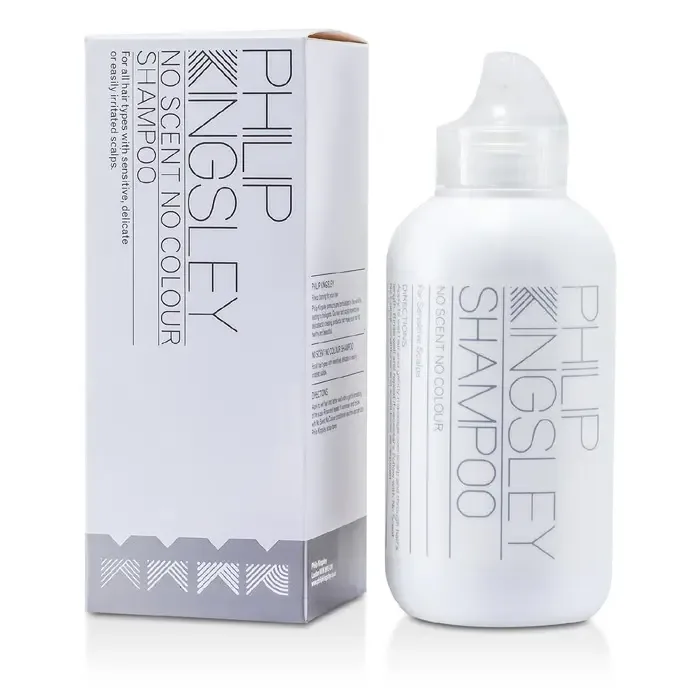
Philip Kingsley No Scent No Colour Gentle Shampoo
Best for Scalp Folliculitis
Originally created for patients undergoing chemotherapy, this ultra-gentle shampoo is perfect for those whose scalp acne is triggered by inflammation. It provides a weightless cleanse that ensures no irritating fragrances or colors can settle into the follicles.
What works
- Incredibly gentle on inflamed or "angry" scalp bumps.
- Provides a soft, manageable texture without the use of waxes.
- Suitable for daily use on even the most delicate hair types.
What does not
- Can be difficult to find in local drugstores (mostly online/specialty).
- Does not offer heavy "slip" for detangling long hair.
- Premium pricing for a relatively small bottle.
The formula focuses on high-quality, water-soluble cleansers that leave the scalp environment balanced.
We have not tested this product and we do not hold its ingredient list. Read the ingredients on the pack against our pore-clogging list .
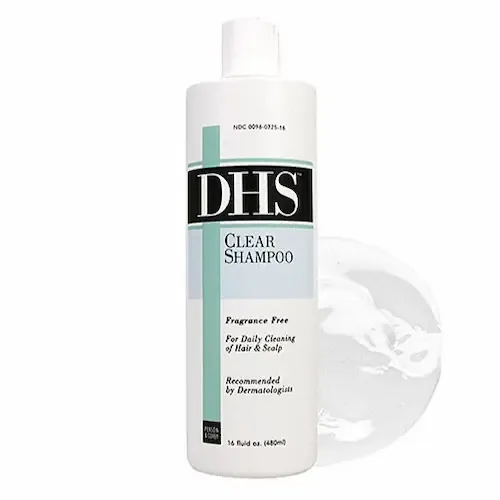
DHS Clear Shampoo
Best for Daily Maintenance of Oily Scalps
DHS Clear is a dermatologist-staple often recommended for its simplicity. It is designed specifically to maintain the pH balance of the scalp while removing dirt and oil. It is free of the pearlizing agents found in most shampoos that are a common source of comedogenic triggers.
What works
- Fragrance-free and dye-free to minimize contact dermatitis.
- Specifically formulated for "problem" scalps that clog easily.
- Rinses exceptionally well, leaving no residue on the shoulders or back.
- Large bottle size offers great value for the price.
What does not
- The lather is very thin compared to commercial brands.
- Can leave hair feeling a bit "squeaky," necessitating a light conditioner.
- Not a "prestige" brand, so it lacks aesthetic packaging.
It is a strictly "functional" shampoo that gets the job done without side effects.
We have not tested this product and we do not hold its ingredient list. Read the ingredients on the pack against our pore-clogging list .
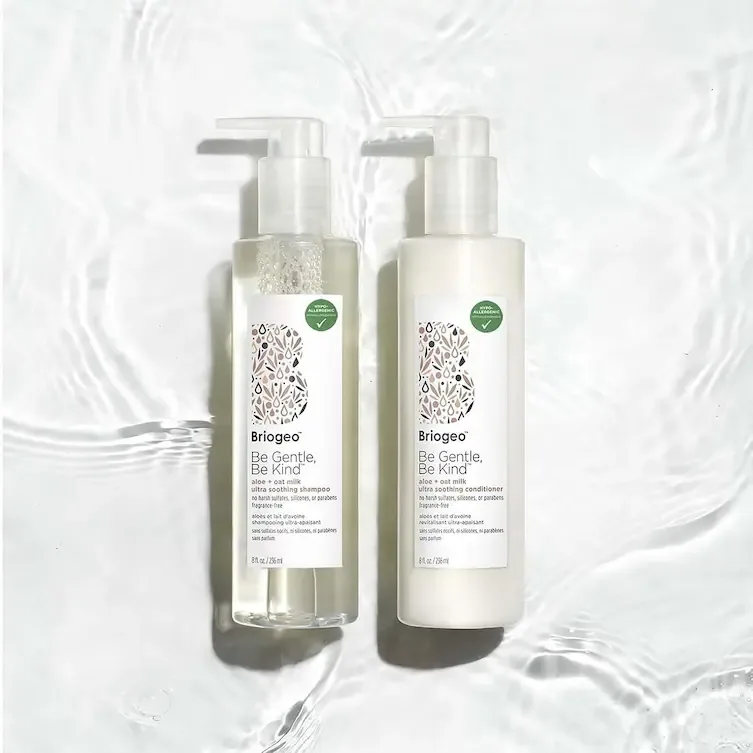
Briogeo Be Gentle, Be Kind Aloe + Oat Milk Ultra Soothing Shampoo
Best for Irritated "Bacne" & Scalp Acne
If your breakouts are red, itchy, and painful, this soothing blend is the answer. It utilizes the calming properties of aloe and oat milk to reduce inflammation on the scalp and body while ensuring the hair stays hydrated without the use of heavy pore-cloggers.
What works
- Dermatologist-tested and hypoallergenic.
- Contains skin-soothing ingredients like Aloe Vera and Green Tea.
- 99% naturally derived.
- Bottle is made from 100% recycled plastic.
What does not
- The natural scent may be too subtle for some.
- May be too moisturizing for someone with an extremely oily scalp.
- Natural ingredients can occasionally cause reactions in those with grass/grain allergies.
It successfully provides a "creamy" feel using plant extracts rather than synthetic waxes.
Ingredient list read from Briogeo, the maker on 26 September 2026. 18 ingredients, 0 of which this site holds a rating for.
Not one ingredient on this list appears on ours. That is not the same as a rating of zero: our list holds the substances with a published comedogenic rating, and most cosmetic ingredients have never been tested for it. What absence means.
Nothing on this list is rated 3 or above.
A formula can change after we read it, and a maker is not obliged to rename the product when it does. This is what the list said on the date above, not a promise about the jar in your hand. Check the pack.
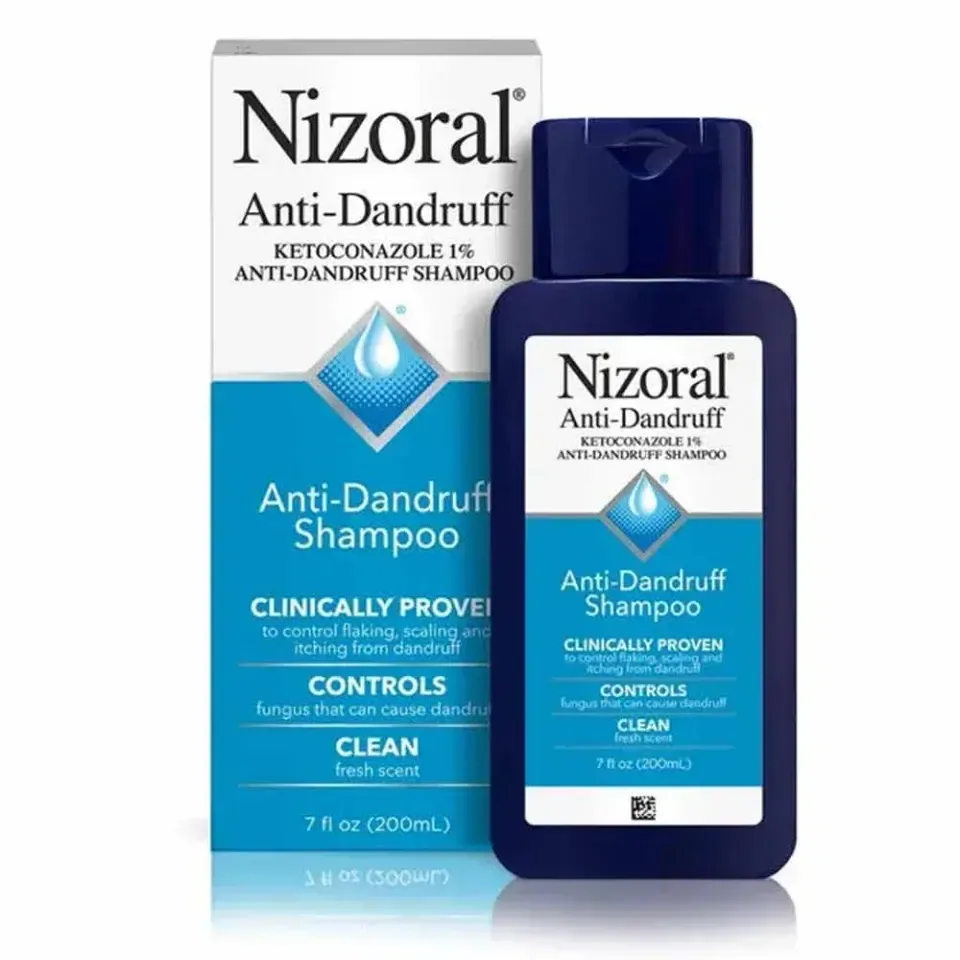
Nizoral A-D Anti-Dandruff Shampoo
Best for Fungal "Acne" (Malassezia Folliculitis)
Many cases of "scalp acne" are actually fungal folliculitis. Nizoral contains Ketoconazole, which kills the fungus that thrives in oily scalp environments. Because it addresses the root cause of the congestion, it is highly effective at clearing bumps that traditional acne treatments won't touch.
What works
- Contains 1% ketoconazole, an antifungal.
- The maker says it controls flaking and itching.
- Very effective for clearing breakouts along the nape of the neck.
What does not
- Can be quite drying for the hair; use only on the scalp.
- Only recommended for use twice a week, not as a daily wash.
- The clinical blue color and scent are not very "salon-like."
The active ingredient target the fungus while the inactive base remains pore-safe.
Ingredient list read from the FDA label on DailyMed on 26 September 2026. 18 ingredients, 1 of which this site holds a rating for.
An over-the-counter drug, so the FDA's own label is a better source than any retailer: it is the text the maker is legally bound to, it is server-rendered, and it does not change without a new filing.
- 3 Moderate risk Sodium Laureth Sulfate (SLES) listed as “Sodium Laureth Sulfate”
Carries an ingredient rated 3 or above: Sodium Laureth Sulfate (SLES) (3).
A formula can change after we read it, and a maker is not obliged to rename the product when it does. This is what the list said on the date above, not a promise about the jar in your hand. Check the pack.
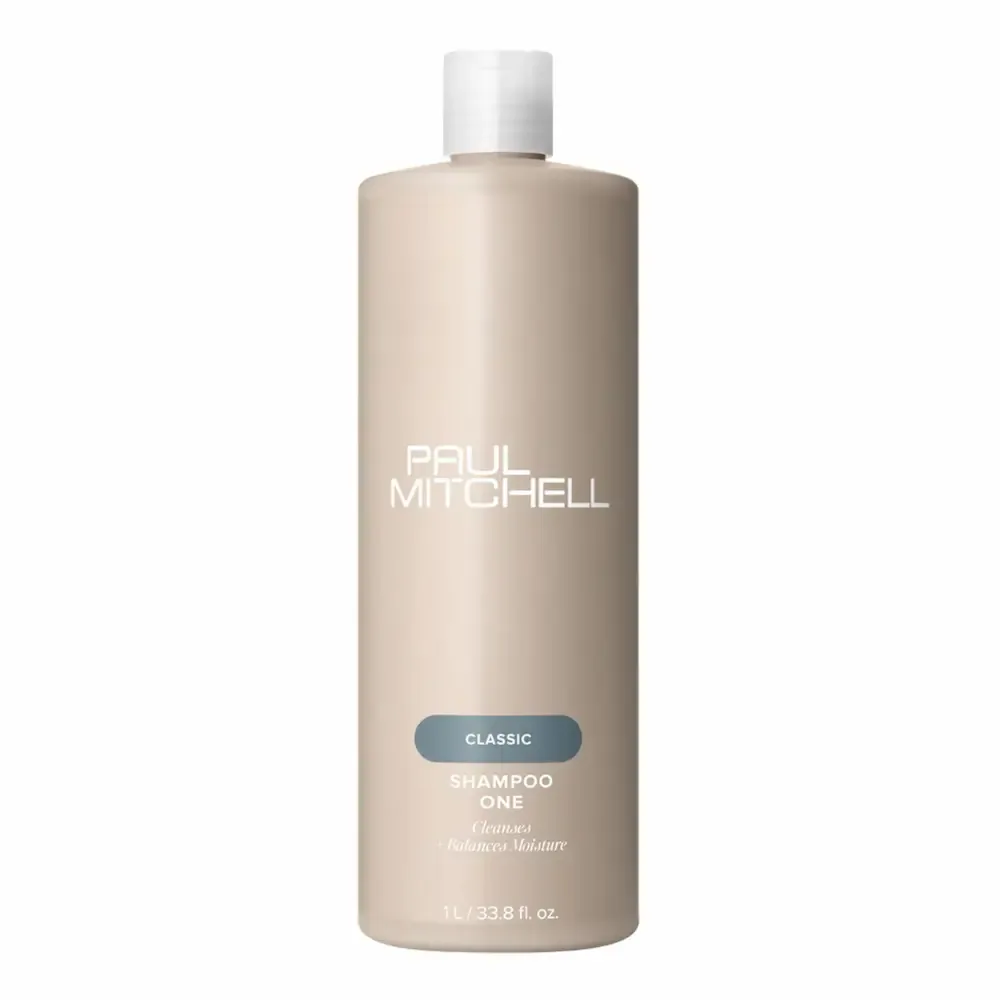
Paul Mitchell Shampoo One
Best Professional Salon Option
For those who want a professional salon experience without the pore-clogging silicones, Paul Mitchell Shampoo One is a classic. It provides a mild cleanse that enhances shine and manageability through simple botanical extracts.
What works
- Made for daily use on all hair types.
- Provides a beautiful shine using water-soluble ingredients.
- Famous "tropical" scent that is refreshing without being overly irritating.
- Excellent value for a professional-grade product.
What does not
- Contains some sulfates.
- Not suitable for those with extreme fragrance sensitivities.
- The light formula may not be enough for very thick, coarse hair.
While it contains professional surfactants, it avoids the heavy "build-up" ingredients that trigger hairline acne.
Ingredient list read from Paul Mitchell, the maker on 26 September 2026. 25 ingredients, 1 of which this site holds a rating for.
- 5 High risk Sodium Lauryl Sulfate (SLS) listed as “Sodium Lauryl Sulfate”
Carries an ingredient rated 3 or above: Sodium Lauryl Sulfate (SLS) (5).
A formula can change after we read it, and a maker is not obliged to rename the product when it does. This is what the list said on the date above, not a promise about the jar in your hand. Check the pack.
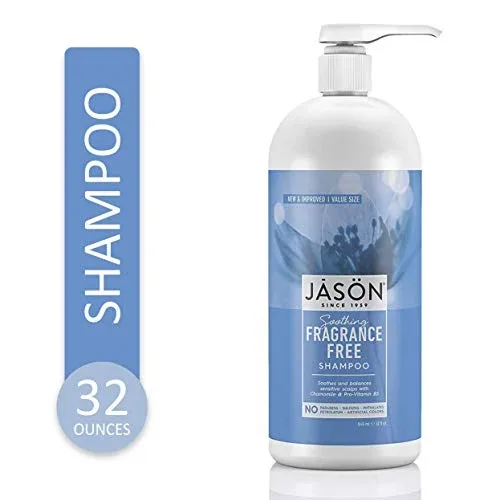
Jason Fragrance-Free Daily Shampoo
Best Natural & Vegan Option
If you prefer natural beauty products but find that oils like coconut or argan break you out, this fragrance-free option from Jason is the perfect compromise. It uses mild, vegetable-derived cleansers to purify the scalp without any added synthetic perfumes.
What works
- No parabens, sulfates, or phthalates.
- Enriched with Vitamin B5 and Aloe to hydrate the scalp skin safely.
- 100% Vegan and Cruelty-Free.
- Large, economical size for the whole family.
What does not
- The texture is a bit "gel-like" and can be slippery in the shower.
- May struggle to remove heavy styling waxes or clays.
- Does not offer much "bounce" or volume to fine hair.
It utilizes simple, plant-based humectants that won't contribute to scalp congestion.
We have not tested this product and we do not hold its ingredient list. Read the ingredients on the pack against our pore-clogging list .
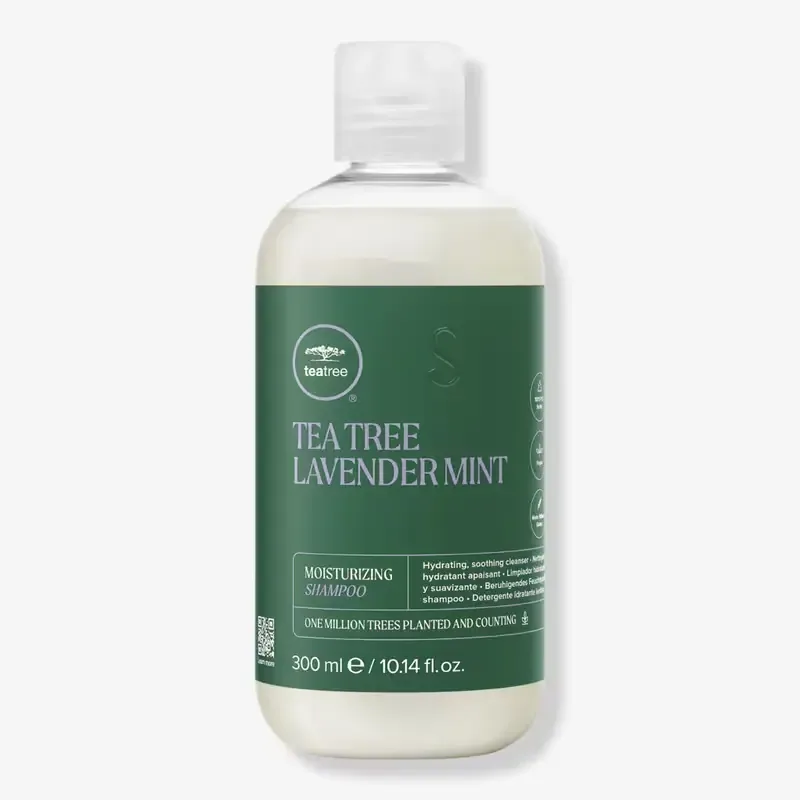
Tea Tree Special Shampoo
Best for Cooling & Clarifying Congested Scalps
The natural antimicrobial properties of tea tree oil make this an excellent choice for oily, breakout-prone scalps. It provides a cooling, tingly sensation that helps soothe the itch of active scalp acne while washing away the impurities that lead to new bumps.
What works
- Natural antiseptic properties of Tea Tree Oil help clear bacteria.
- Provides an invigorating, cooling sensation that reduces scalp itch.
- Effectively removes excess oil and environmental pollutants.
- Leaves hair feeling incredibly clean and refreshed.
What does not
- The tingling sensation can be too intense for some sensitive skin types.
- Not recommended for use directly on broken or bleeding skin.
- Contains peppermint oil, which can be an irritant for some people.
The formula is optimized for clarifying oily skin without the use of comedogenic conditioning agents.
Ingredient list read from Paul Mitchell, the maker on 26 September 2026. 37 ingredients, 2 of which this site holds a rating for.
- 5 High risk Sodium Lauryl Sulfate (SLS) listed as “Sodium Lauryl Sulfate”
- 2 Low risk PEG 100 / PEG 150 Distearate listed as “PEG-150 Distearate”
Carries an ingredient rated 3 or above: Sodium Lauryl Sulfate (SLS) (5).
A formula can change after we read it, and a maker is not obliged to rename the product when it does. This is what the list said on the date above, not a promise about the jar in your hand. Check the pack.
Ingredients this guide names, and how they rate
Frequently asked questions
Can a non-comedogenic shampoo still help with dandruff or an itchy scalp?
Yes. Many non-comedogenic shampoos are made for scalp conditions such as dandruff and leave out heavy oils. For example, some top-rated options include active ingredients like Zinc Pyrithione or Salicylic Acid, which target flaking and buildup.
Are sulfate-free shampoos automatically non-comedogenic?
Not necessarily. While sulfates (like SLS) are often avoided because they can irritate the skin, a shampoo can be “sulfate-free” but still contain high concentrations of comedogenic ingredients like coconut oil or isopropyl palmitate. Always check the specific ingredient list or use a safety checker to ensure the formula won’t cause breakouts.
How can I tell if my current shampoo is causing my forehead or back acne?
If you notice “breakout zones” specifically along your hairline, temples, or upper back, your shampoo may be to blame. Non-comedogenic shampoos are designed to rinse clean; if your current product leaves a “slick” or “filmy” feeling on your skin after rinsing, it likely contains heavy silicones or oils that are trapping bacteria in your pores.
Will a non-comedogenic shampoo be effective for thick or curly hair?
Yes, but you should look for specific “weightless” hydrators. Traditional shampoos for curly hair often rely on heavy butters such as cocoa butter, which Fulton 1989 graded 4. Alternatives use ingredients like glycerin, aloe vera or jojoba oil for moisture and slip on textured hair. Our list rates jojoba oil 2; glycerin and aloe vera have no published rating here.
How can a shampoo cause acne if it's rinsed off the skin?
Even though shampoo is rinsed away, many traditional formulas contain heavy oils (like coconut or argan oil) and thickeners that leave a microscopic film on the skin. When you rinse your hair, the product runs down your forehead, jawline, and back. A non-comedogenic shampoo is specifically formulated to be “low-residue,” ensuring that any runoff doesn’t “stick” to your pores and trigger breakouts.
Related guides
Sources used on this page
- Fulton JE Jr, Pay SR, Fulton JE 3rd. “Comedogenicity of current therapeutic products, cosmetics, and ingredients in the rabbit ear.” Journal of the American Academy of Dermatology, January 1984;10(1):96–105. (opens in a new tab) Rabbit-ear ratings of ingredients one by one. It is behind a paywall and we have not read it, so no rating on this site is attributed to it.
- Draelos ZD, DiNardo JC. “A re-evaluation of the comedogenicity concept.” Journal of the American Academy of Dermatology, March 2006;54(3):507–512. doi:10.1016/j.jaad.2005.11.1058 (opens in a new tab) Found that animal-model results did not reliably predict what happened on human skin, and that a rating for a single ingredient does not tell you how a finished product will behave.
- U.S. Food and Drug Administration, “Cosmetics Labeling Claims”. (opens in a new tab) States that the FDA does not keep a list of approved or accepted cosmetic claims; a label must simply be truthful and not misleading. There is no FDA definition of “non-comedogenic” for a brand to meet.