Best Skincare Routine for Oily Skin
Managing oily skin often feels like a full-time job. Between the midday shine that could signal a search party and the persistent fear of a “grease-induced” breakout, the struggle to maintain a matte, clear complexion is real. In the skincare world, oily skin is often misunderstood; the instinctive reaction is to strip, scrub, and starve the skin of moisture. However, science tells us that aggressive tactics only lead to a compromised barrier and—ironically—more oil.
The secret to the best skincare routine for oily skin lies in balance. It’s about regulating the sebaceous glands without triggering an emergency response from your skin’s acid mantle. By using the right non-comedogenic ingredients and a strategic application order, you can transform “greasy” into “glowy” while keeping your pores entirely clear.
The Biology of Sebum
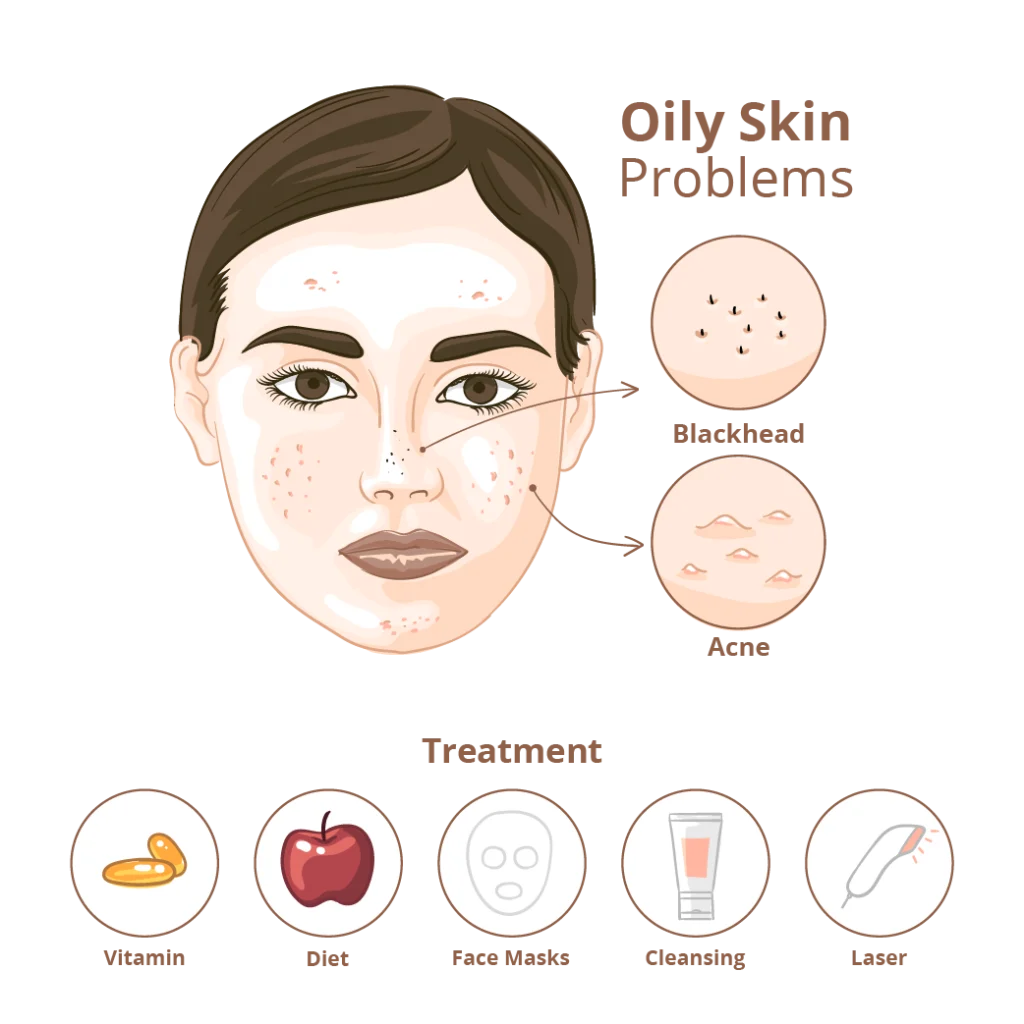
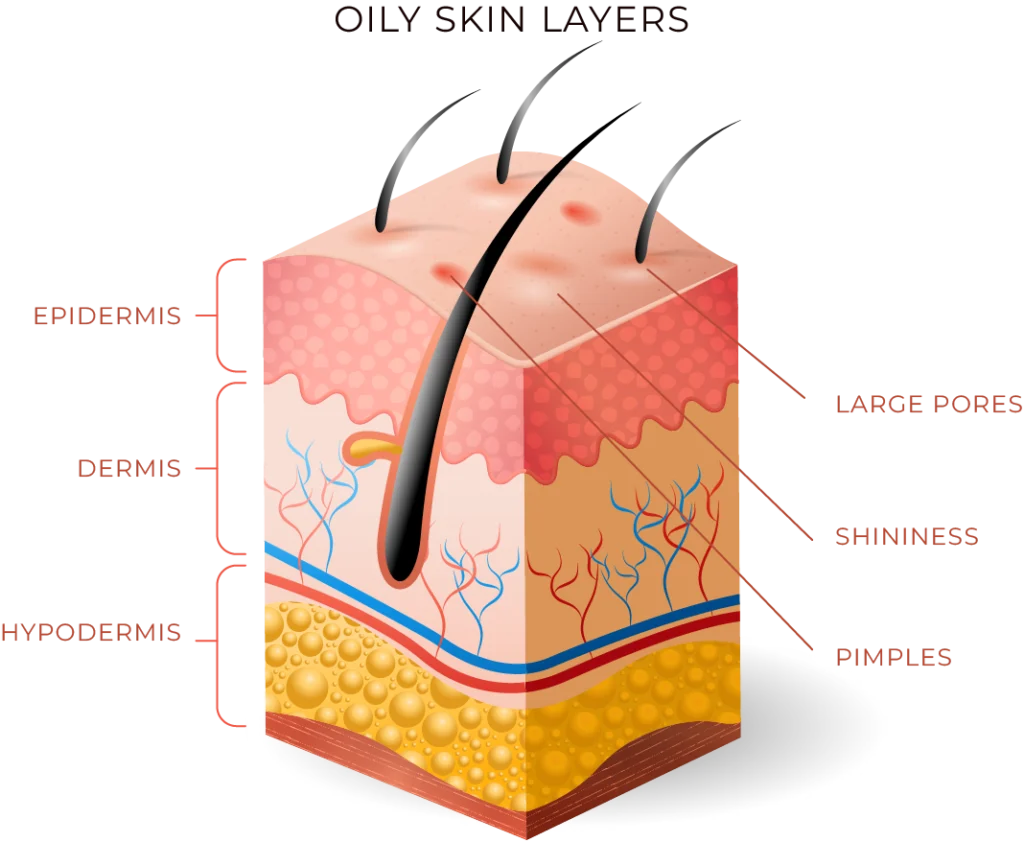
To manage oily skin, we must first understand the culprit: sebum. Produced by the sebaceous glands located in the dermis, sebum is a complex mixture of triglycerides, wax esters, squalene, and cholesterol. In a balanced state, sebum is your skin’s best friend—it provides a waterproof barrier and keeps the skin supple.
However, when hormones (specifically androgens), genetics, or environmental factors trigger hyper-activity in these glands, the excess oil can mix with dead skin cells. This mixture creates a “plug” within the follicle, known as a comedo. When this plug is exposed to air, it oxidizes and becomes a blackhead; when it remains closed, it’s a whitehead. The goal of an oily skin routine is to keep this sebum flowing freely rather than letting it stagnate and oxidize.
The Core Philosophy: Regulation over Stripping
To manage oily skin, we must first understand the culprit: sebum. Produced by the sebaceous glands located in the dermis, sebum is a complex mixture of triglycerides, wax esters, squalene, and cholesterol. In a balanced state, sebum is your skin’s best friend—it provides a waterproof barrier and keeps the skin supple.
However, when hormones (specifically androgens), genetics, or environmental factors trigger hyper-activity in these glands, the excess oil can mix with dead skin cells. This mixture creates a “plug” within the follicle, known as a comedo. When this plug is exposed to air, it oxidizes and becomes a blackhead; when it remains closed, it’s a whitehead. The goal of an oily skin routine is to keep this sebum flowing freely rather than letting it stagnate and oxidize.
Instead, the modern approach focuses on:
Chemical Exfoliation
Using oil-soluble acids to dissolve clogs.
Sebum Regulation
Using ingredients that signal the glands to slow down.
Oil-Free Hydration
Providing water-based moisture so the skin doesn’t feel the need to produce its own “grease” for protection.
The Step-by-Step Routine for Oily Skin
Phase 1: The Morning (AM) - Defense and Mattification
After cleansing, your skin’s pH can be slightly elevated. A soothing toner lowers the pH back to its natural acidic state (around 5.5), which inhibits the growth of C. acnes bacteria and prepares the skin to better absorb subsequent serums.

Step 1: Gentle Foaming Cleanse
Start with a pH-balanced, water-based cleanser. You want something that removes excess oil but leaves the moisture barrier intact. The ideal $pH$ for a cleanser is approximately $5.5$, matching the skin’s natural acidity.
Recommended Product
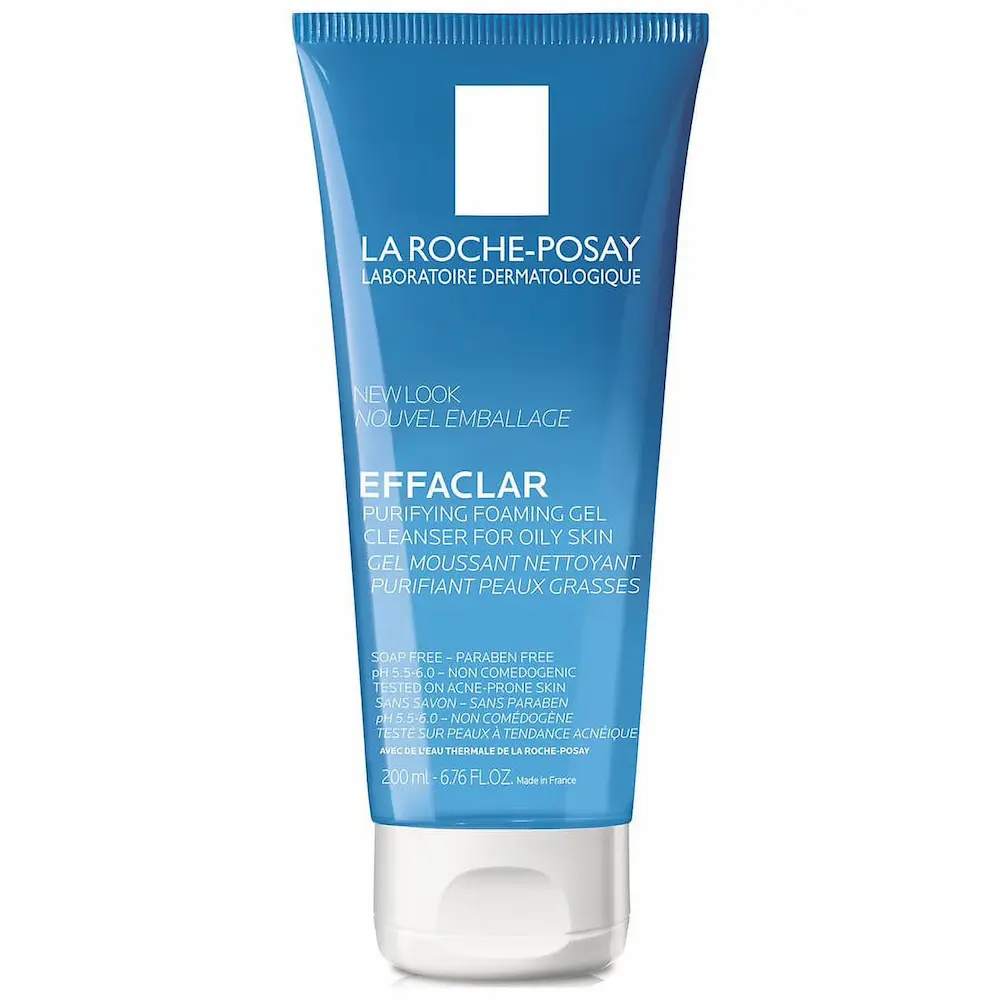
La Roche-Posay Effaclar Gel Facial Cleanser
Specifically formulated for oily, sensitive skin to eliminate impurities and excess sebum.
Step 2: The BHA Toner
Salicylic Acid (a Beta Hydroxy Acid or BHA) is the gold standard for oily skin. Unlike AHAs, which are water-soluble, BHA is oil-soluble. This allows it to dive deep into the pore and dissolve the “glue” holding oil and dead skin together.
Recommended Product
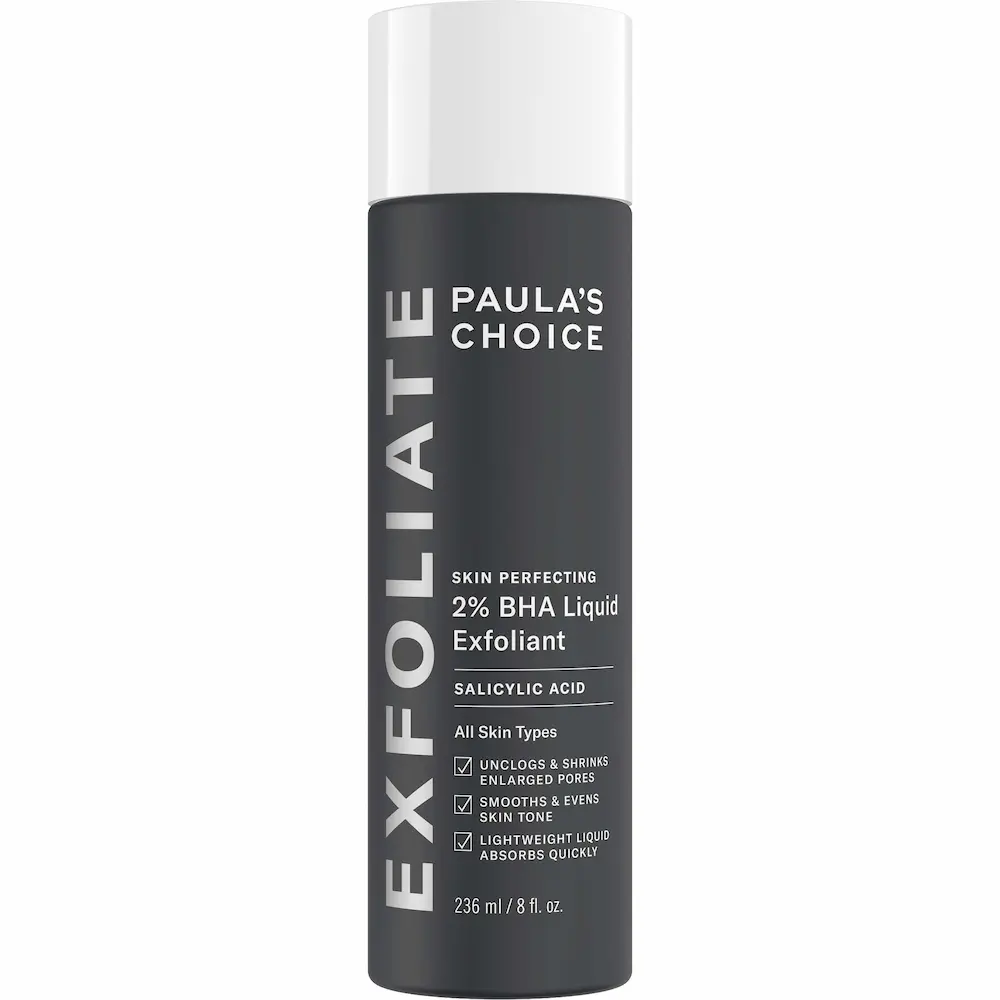
Paula’s Choice Skin Perfecting 2% BHA Liquid Exfoliant
A lightweight fluid that clears pores and evens out skin tone.
Step 3: Niacinamide Serum
Niacinamide (Vitamin B3) is a powerhouse for oily skin. It has been clinically shown to reduce sebum excretion rates and significantly minimize the appearance of enlarged pores.
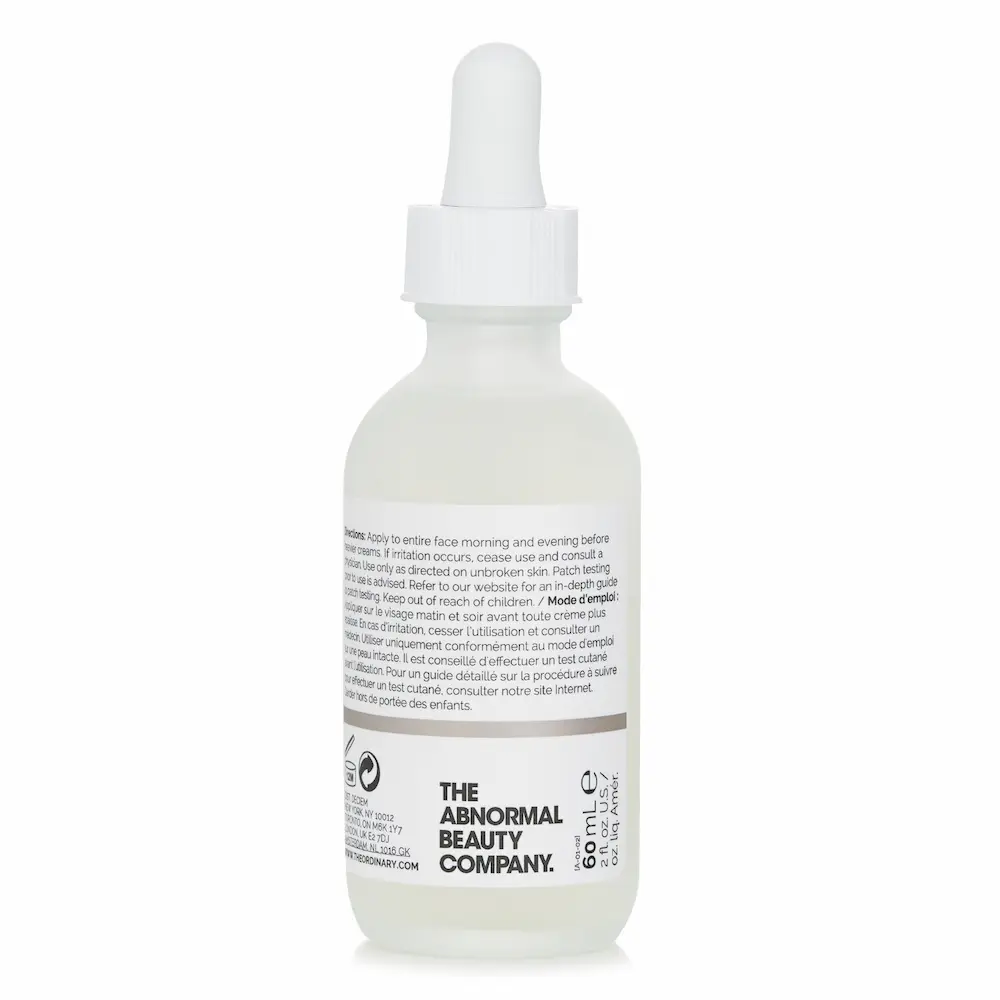
Recommended Product
The Ordinary Niacinamide 10% + Zinc 1%
A high-strength vitamin and mineral blemish formula that balances visible aspects of sebum activity.
Step 4: Oil-Free Water Gel
Hydration is a biological necessity, even for oily skin. Use a “water-gel” or “gel-cream” that utilizes humectants like Hyaluronic Acid rather than heavy occlusives like mineral oil.
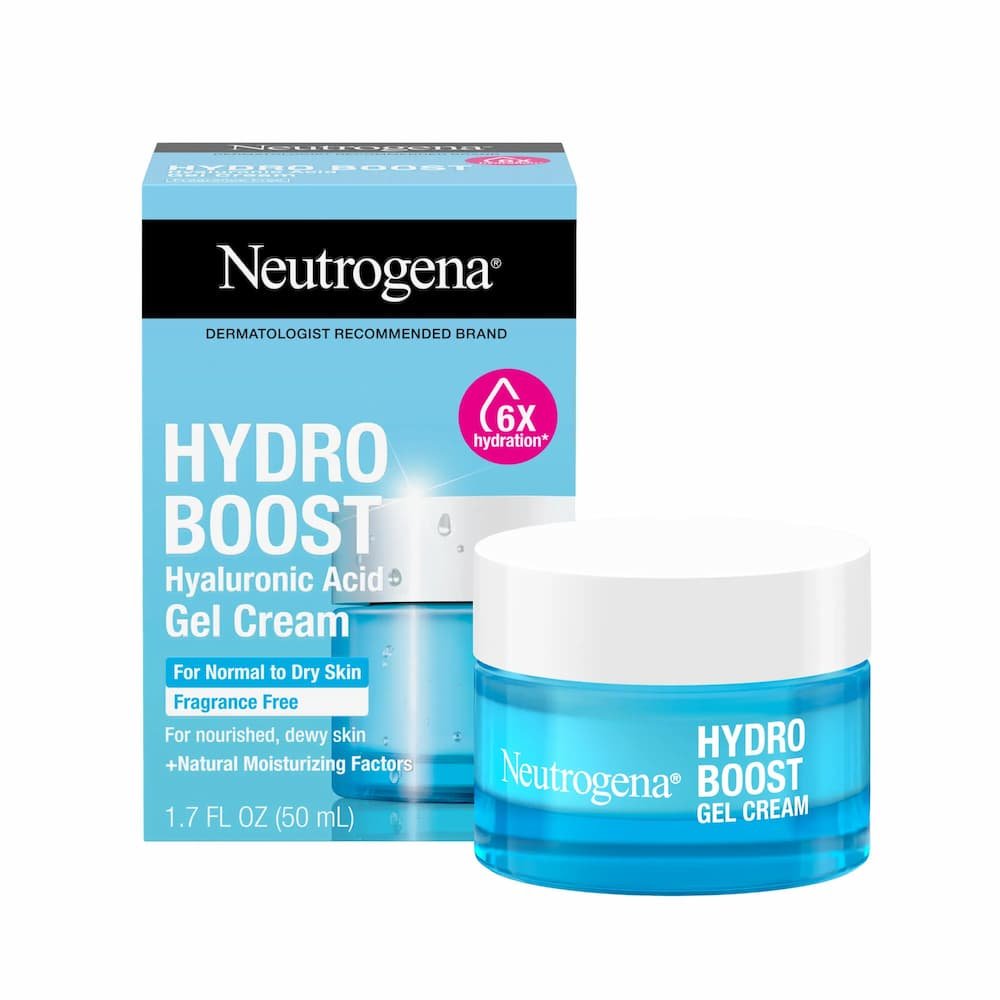
Recommended Product
Neutrogena Hydro Boost Water Gel
An oil-free, non-comedogenic formula that absorbs instantly and quenches skin.
Step 5: Matte Finish Sunscreen
UV rays can cause sebum to oxidize, making it more comedogenic. Choose a mineral sunscreen with Zinc Oxide, which has natural anti-inflammatory and mattifying properties.
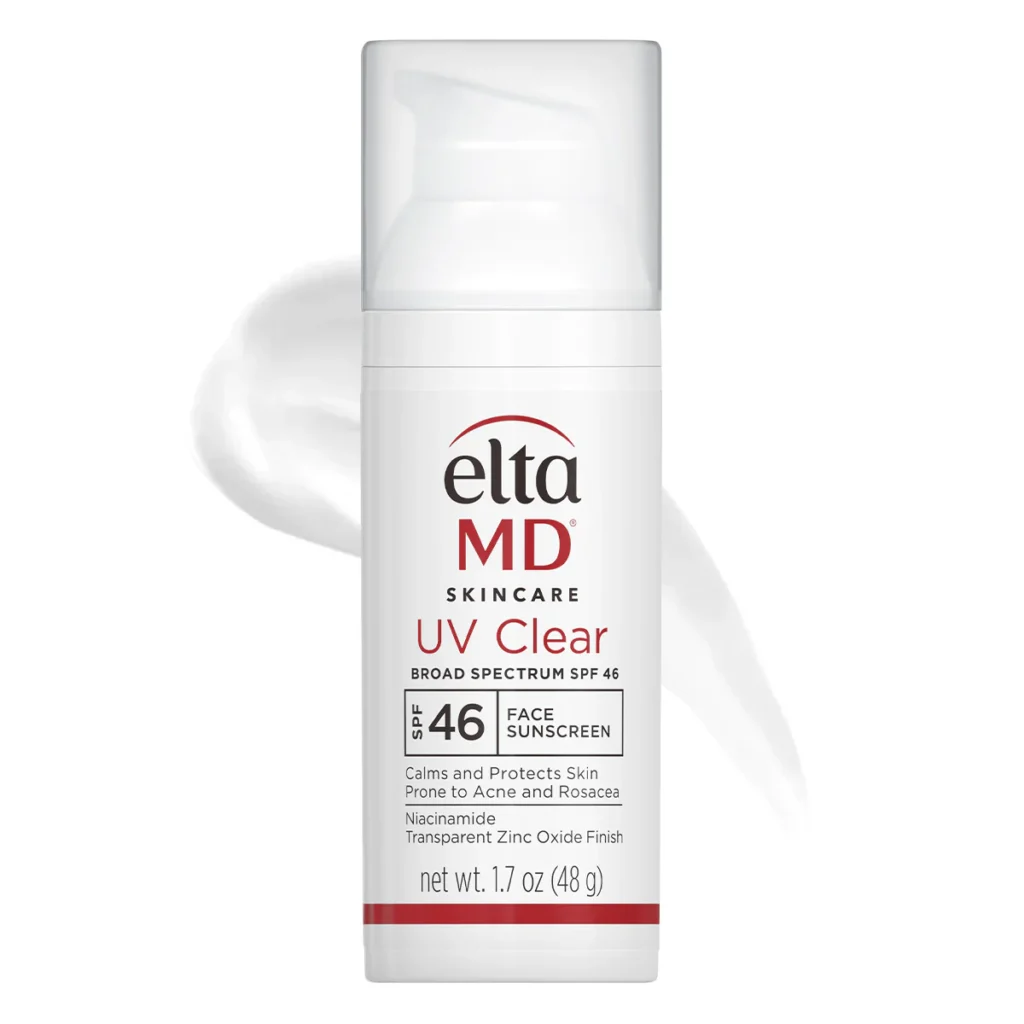
Recommended Product
EltaMD UV Clear Broad-Spectrum SPF 46
Formulated with Niacinamide and Hyaluronic Acid to calm and protect sensitive, acne-prone skin types during daily wear.
Phase 2: The Evening (PM) - Deep Clean and Treatment
Nighttime is when you address the “congestion” of the day and use stronger actives that might be too sensitive for daylight.

Step 1: The Double Cleanse
(Optional but Encouraged)
If you wore makeup or a high-SPF sunscreen, use a micellar water first. This ensures all oil-soluble products are dissolved before your main cleanser goes to work on the skin itself.
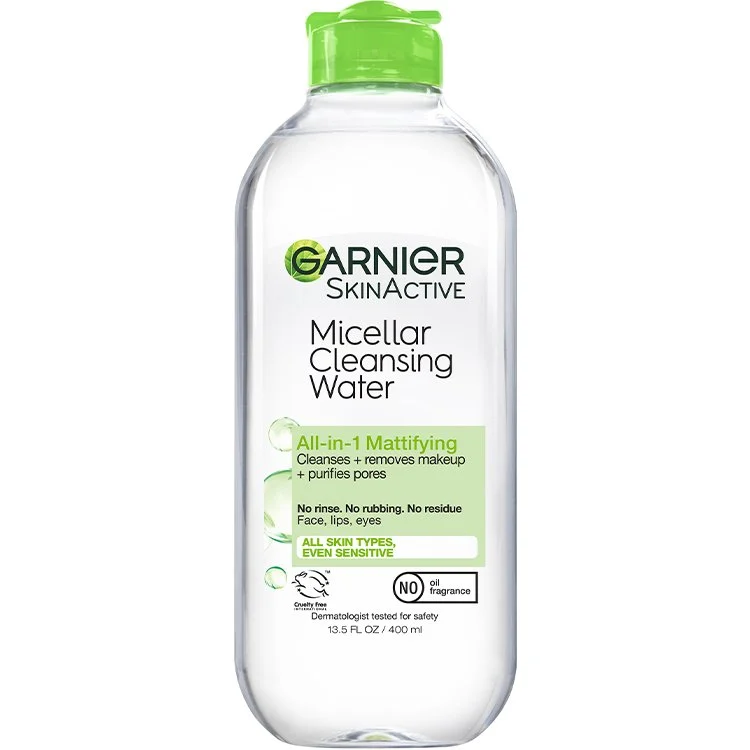
Recommended Product
Garnier SkinActive Micellar Cleansing Water (Mattifying)
Designed specifically to remove makeup and purify pores in oily skin.
Step 2: Treatment
(Retinoids or Targeted Actives)
Nighttime is the best time for Retinoids. Retinoids not only address fine lines but also regulate cell turnover inside the follicle, preventing the “plugs” that cause acne.
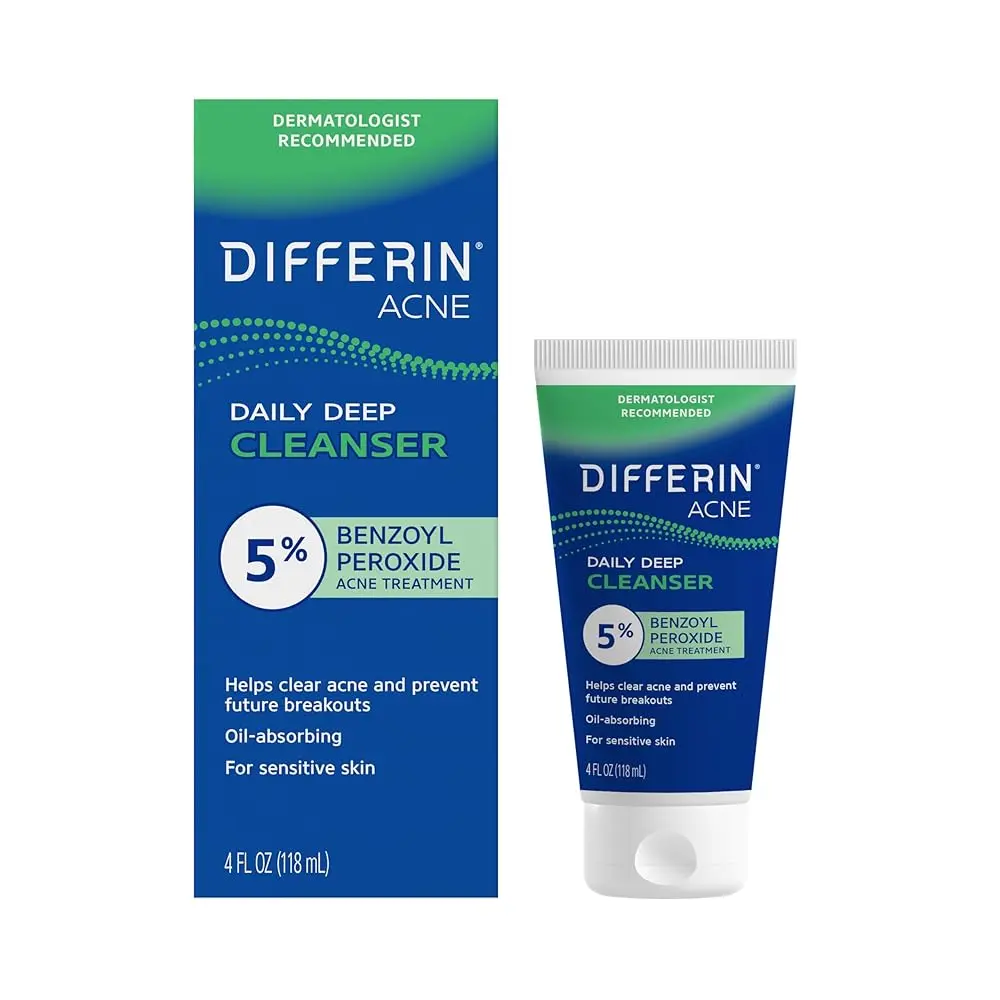
Recommended Product
Differin Gel (Adapalene 0.1%)
The first FDA-approved over-the-counter retinoid for acne that focuses on pore clarity.
Step 3: Barrier Recovery Moisturizer
While you sleep, your skin’s transepidermal water loss ($TEWL$) increases. You need a slightly more nourishing, yet still non-comedogenic, moisturizer to ensure you don’t wake up with “dehydrated-oily” skin.
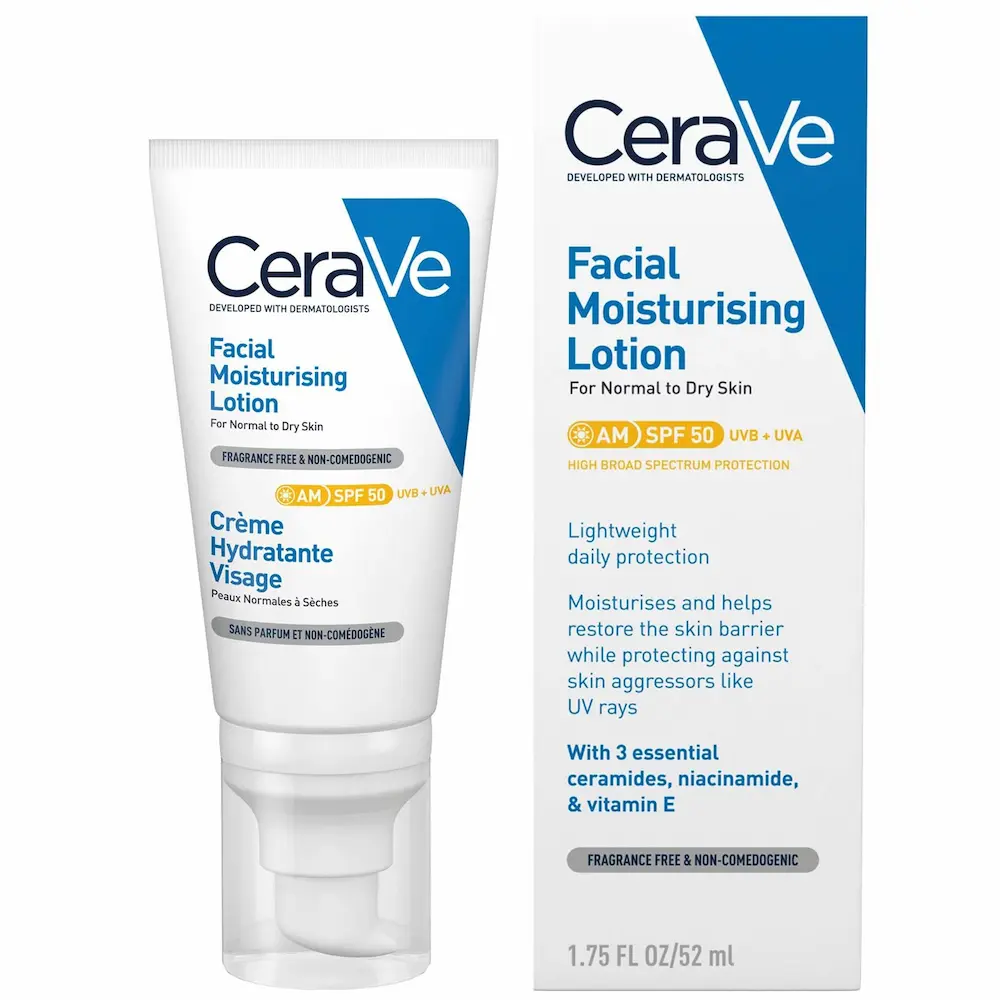
Recommended Product
CeraVe PM Facial Moisturizing Lotion
Features three essential ceramides and niacinamide to restore the skin barrier overnight.
Common Pitfalls in Oily Skin Care
Using Face Oils
While some oils (like Squalane) are non-comedogenic, many popular oils (like Coconut or Marula) can be disastrous for oily skin, creating a “seal” that traps bacteria and sebum.
Skipping SPF
Sun damage thickens the outer layer of the skin, making it harder for sebum to escape, which leads to more deep-seated clogs.
Over-Exfoliating
Using a BHA every single day right away can cause irritation. Start 2–3 times a week and work your way up as your skin builds tolerance.
Using High-pH Soaps
Traditional bar soaps often have a $pH$ of $9$ or $10$. This destroys the acid mantle, allowing P. acnes bacteria to thrive.
Lifestyle Factors
Skincare is only half the battle. Your sebaceous glands are also influenced by internal factors:
Dietary Triggers
High-glycemic foods (sugar, white bread) cause an insulin spike, which can increase androgen production and lead to oilier skin.
Stress Management
Cortisol (the stress hormone) directly stimulates oil production.
Pillowcase Hygiene
Oily skin sheds more debris. Changing your pillowcase 2–3 times a week prevents you from sleeping on a “biofilm” of old oil and bacteria.
Frequently Asked Questions
Why should I use a BHA (Salicylic Acid) toner instead of an AHA?
While both are exfoliants, BHAs are oil-soluble, which allows them to dive deep into the pores to dissolve the “glue” of oil and dead skin cells that cause clogs. AHAs are water-soluble and mostly work on the surface. For oily skin specifically, a BHA is the gold standard for keeping pores clear and preventing blackheads.
Is double-cleansing necessary if I don't wear heavy makeup?
If you wear a high-SPF sunscreen or a mattifying primer, a double-cleanse is highly recommended. Many long-wear sunscreens and primers use ingredients like silica or zinc oxide that are designed to stick to the skin and absorb oil. A simple water-based wash might not fully break these down, so using micellar water first ensures your pores are completely clear before you sleep.
How often should I change my pillowcase if I have oily skin?
Oily skin tends to shed more debris and sebum than other skin types. It is recommended to change your pillowcase 2–3 times a week. This prevents you from sleeping on a “biofilm” of accumulated oil and bacteria, which can contribute to persistent breakouts even if your skincare routine is perfect.
Can I use a Retinoid and a BHA toner in the same routine?
Both are powerful actives, so it is best to separate them to avoid over-exfoliation and irritation. A common strategy mentioned in the guide is to use your BHA toner in the morning to manage daytime oil and save your Retinoid (like Adapalene) for the evening to focus on deep pore clarity and cell turnover while you sleep.
How does my diet or lifestyle affect how much oil my skin produces?
Your sebaceous glands are influenced by internal factors. For example, high-glycemic foods (like sugar and white bread) can cause insulin spikes that increase androgen production, leading to oilier skin. Additionally, the stress hormone cortisol directly stimulates oil production, making stress management a key part of your routine.