Best Skincare Routine for Dry Skin
For those with dry skin, the daily experience often feels like a constant battle against "the tight sensation." Whether it’s the flaky patches that appear under makeup, the dullness that persists even after a good night’s sleep, or the fine lines that seem more pronounced in the afternoon, dry skin, clinically known as xerosis, requires a specialized approach. Unlike oily skin, which struggles with an overproduction of sebum, dry skin is characterized by a lack of natural oils and a compromised moisture barrier.
This isn't just a cosmetic inconvenience; it’s a functional issue. When your skin is dry, its natural defense system is weakened. This makes you more susceptible to environmental irritants, premature aging, and localized inflammation. The goal of a skincare routine for dry skin is to supplement what the skin is missing: lipids, moisture, and protection.

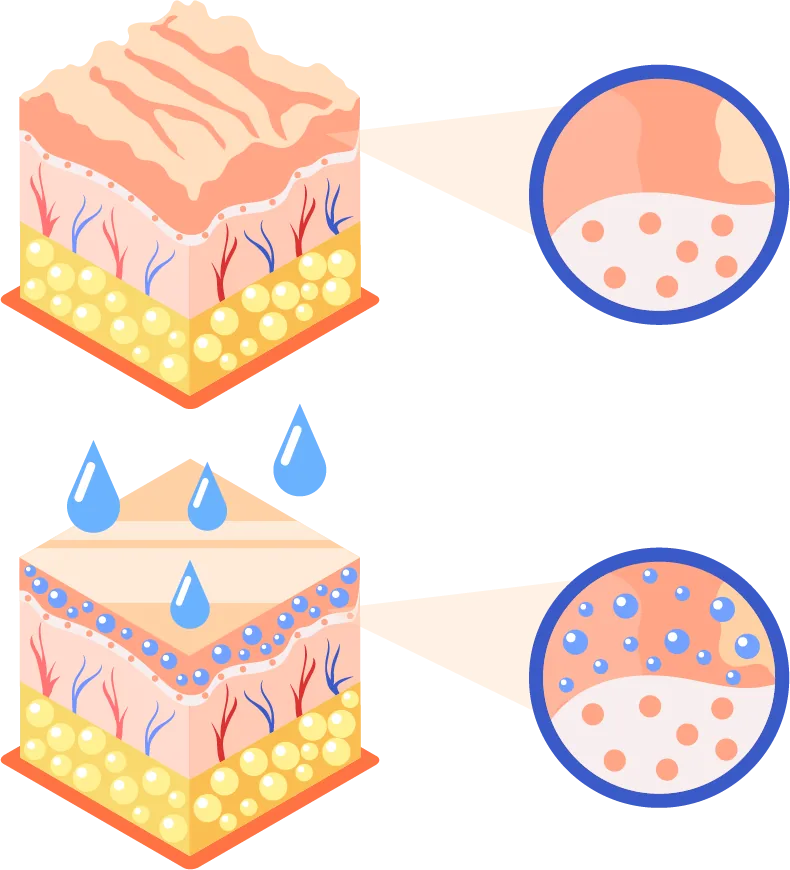
The Science of the Skin Barrier: Why Dryness Happens
The outermost layer of your skin, the stratum corneum, is often described using the "brick and mortar" model. Your skin cells are the bricks, and the "mortar" is a complex matrix of lipids, including ceramides, cholesterol, and fatty acids. In healthy skin, this matrix holds moisture in and keeps irritants out.
In dry skin, this mortar is thin or cracked. This leads to Transepidermal Water Loss (TEWL), where the water inside your body evaporates through your skin into the air. If you live in a dry climate, use indoor heating, or use harsh soaps, this evaporation happens even faster. To fix dry skin, we don't just need to "add water"; we need to "fix the seal" so the water stays where it belongs.
The "Dewy and Drenched" Philosophy
The biggest mistake people with dry skin make is trying to "exfoliate away" the flakes. While it’s tempting to scrub at rough patches, this usually further damages the already fragile barrier, leading to even more dryness.
A professional-grade routine for dry skin focuses on layering. We start with light, water-binding humectants and finish with rich, occlusive emollients. This creates a "hydration sandwich" that ensures your skin stays plump and comfortable from morning until night.
The Step-by-Step Routine for Dry Skin
Phase 1: The Morning Routine (Protect & Hydrate)
Your morning objective is to prepare your skin for the day's environmental challenges. Since dry skin doesn't produce much oil overnight, the focus is on extreme gentleness and environmental defense.

Step 1: The Gentle Refresh
Many people with dry skin find that a full cleanse in the morning is unnecessary and even counterproductive. If you washed thoroughly the night before, your skin shouldn't be "dirty."
The Method: You can either rinse with lukewarm water or use a very creamy, soap-free cleanser. Avoid anything that foams, as foaming agents (sulfates) strip the few lipids you have left.
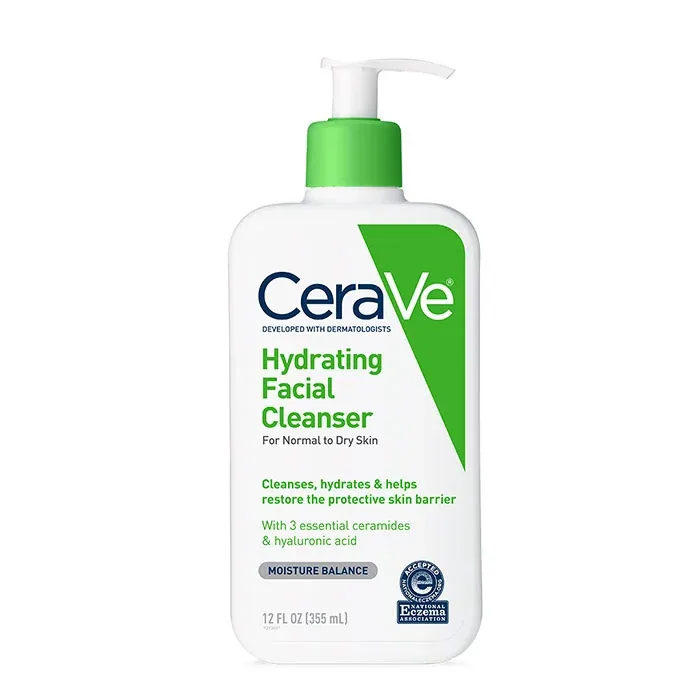
Recommended Product
CeraVe Hydrating Facial Cleanser
Uses three essential ceramides to cleanse without disrupting the skin barrier.
Step 2: The Hydration Foundation (Toner/Essence)
Skip the astringent toners of the past. For dry skin, this step is about "dampening the sponge." Moist skin absorbs active ingredients significantly better than bone-dry skin.
The Method: Apply a milky toner or a hydrating essence to slightly damp skin. Look for ingredients like Panthenol (Vitamin B5) and Glycerin.
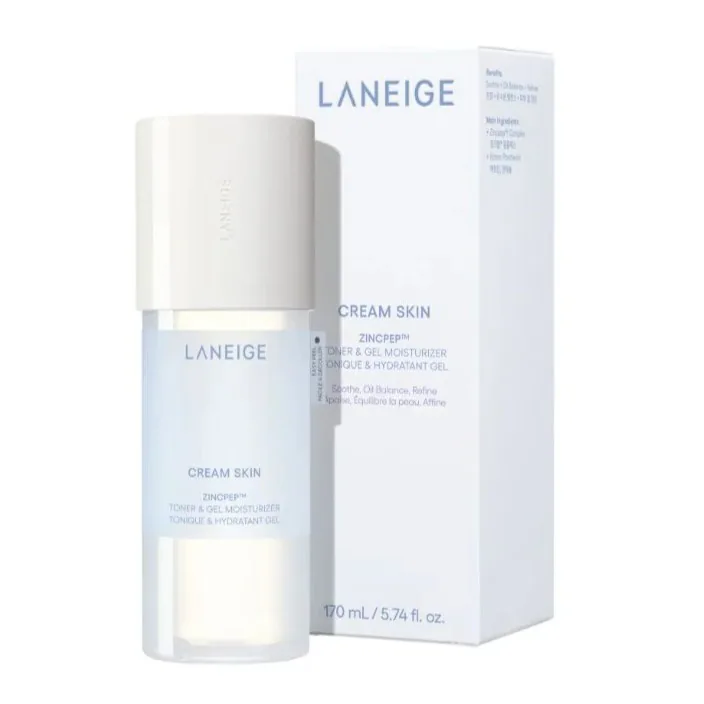
Recommended Product
Laneige Cream Skin Toner & Moisturizer
A revolutionary liquid formula that provides the hydration of a toner with the nourishment of a cream.
Step 3: The Antioxidant Shield (Vitamin C)
Dry skin is particularly vulnerable to oxidative stress from UV rays and pollution, which can exacerbate dullness. Vitamin C helps brighten the complexion and supports collagen production.
The Method: Apply a Vitamin C serum containing Tetrahexyldecyl Ascorbate (a stable, oil-soluble form of Vitamin C) which is typically more tolerated by dry types than pure L-Ascorbic Acid.
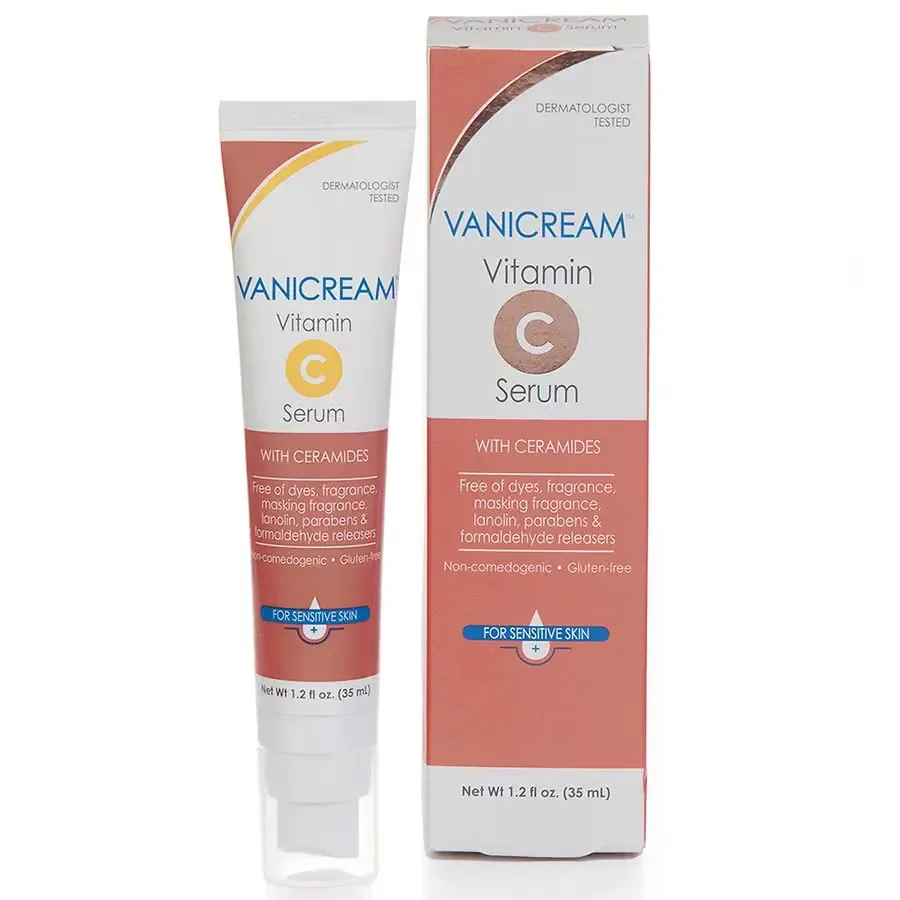
Recommended Product
Vanicream Vitamin C Serum
Specifically formulated for sensitive, dry skin without common irritants.
Step 4: The Moisture Seal (Day Cream)
Your morning moisturizer needs to be substantial but elegant enough to sit under sunscreen and makeup. Look for Squalane, a saturated oil that mimics your skin's natural sebum without being heavy. It has no published comedogenic rating on our list.
The Method: Gently press the cream into your skin rather than rubbing, which can cause micro-irritation to dry patches.
Recommended Product
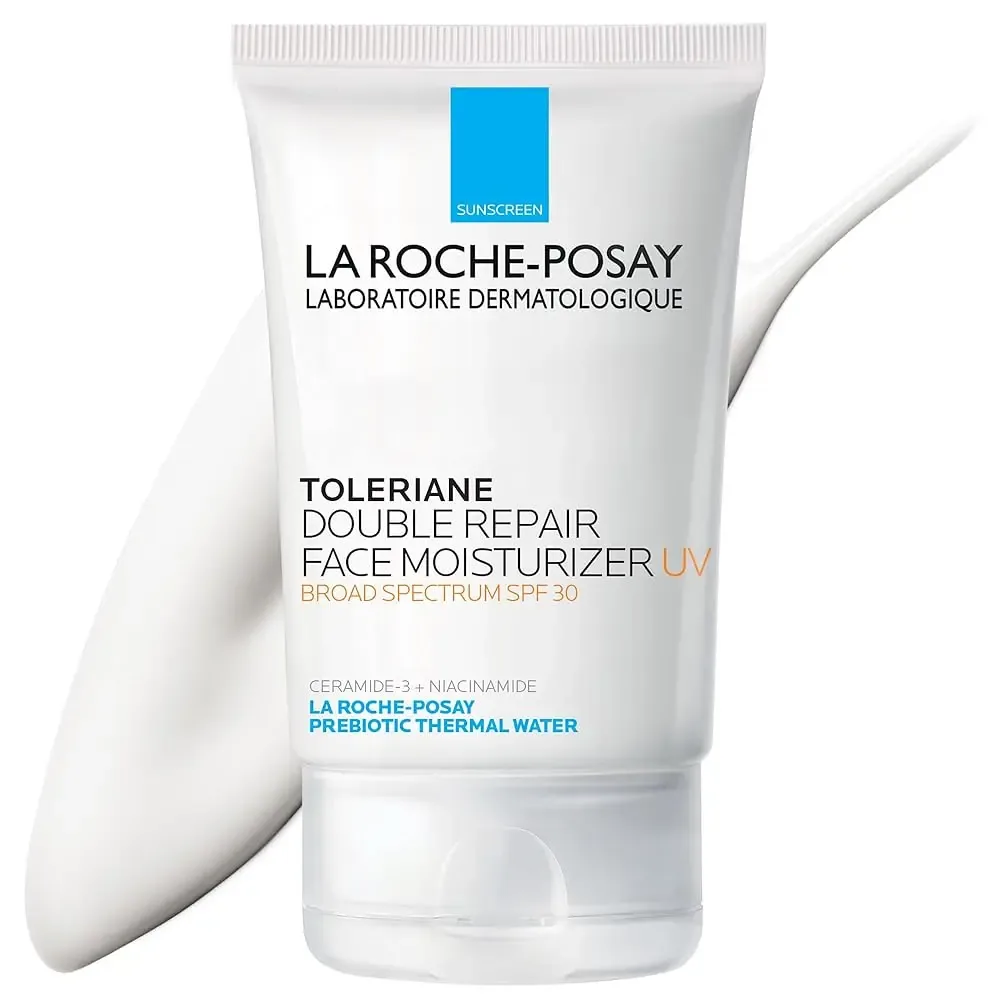
La Roche-Posay Toleriane Double Repair UV Moisturizer
Combines barrier-repairing ceramides with prebiotic thermal water.
Step 5: The Essential Guard (Sunscreen)
UV damage dries out the skin further by damaging the proteins that hold moisture. Dry skin types should opt for mineral sunscreens or "moisturizing" chemical filters that leave a dewy finish.
Recommended Product
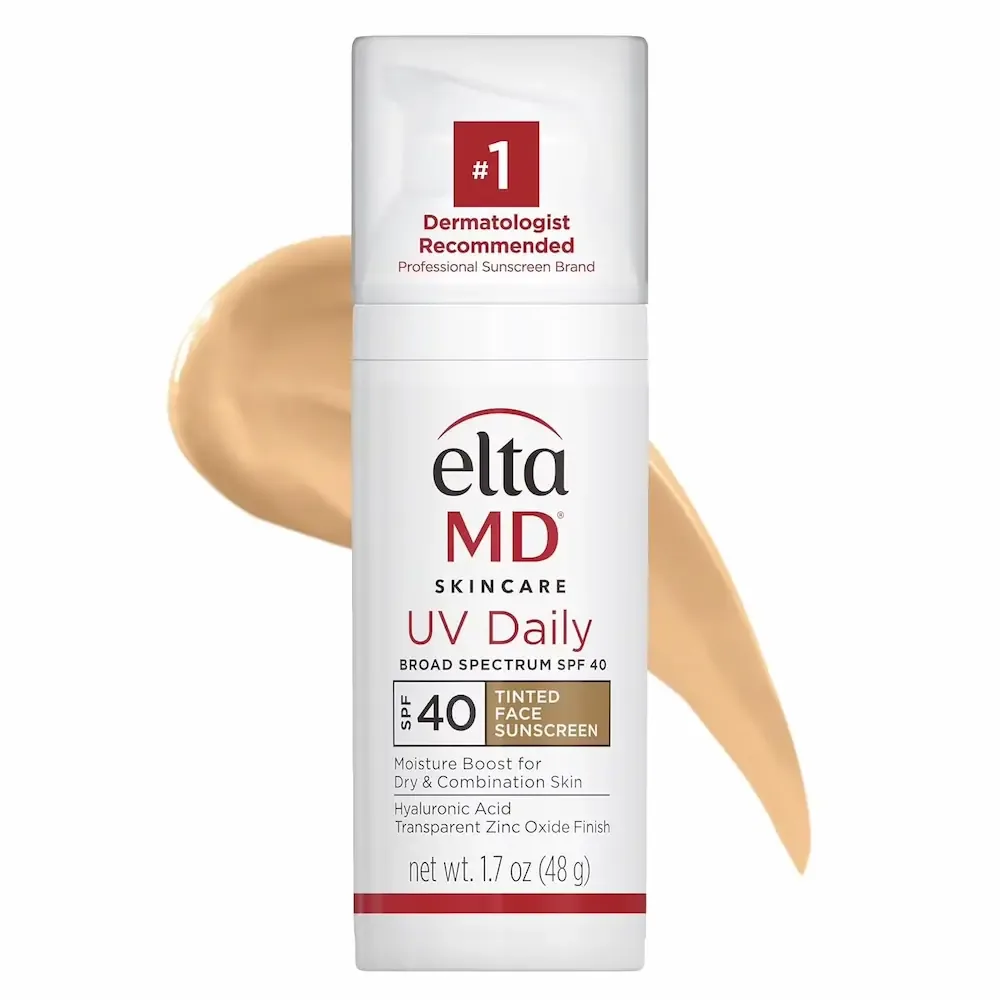
EltaMD UV Daily Broad-Spectrum SPF 40
Infused with Hyaluronic Acid to keep dry skin hydrated while providing superior UV protection.
Phase 2: The Evening Routine (Repair & Nourish)
Nighttime is when the skin's repair mechanisms are most active. This is your opportunity to use richer textures and corrective treatments that focus on deep barrier restoration.

Step 1: The Oil-Based Cleanse
Even if you don't wear heavy makeup, an oil cleanser is a dry-skin "holy grail." It dissolves sunscreen and pollutants far more gently than a standard wash, leaving the skin feeling soft rather than tight.
The Method: Massage the oil or balm onto dry skin, then emulsify with water and rinse. Follow with your gentle cream cleanser if you prefer a double-cleanse.
Recommended Product
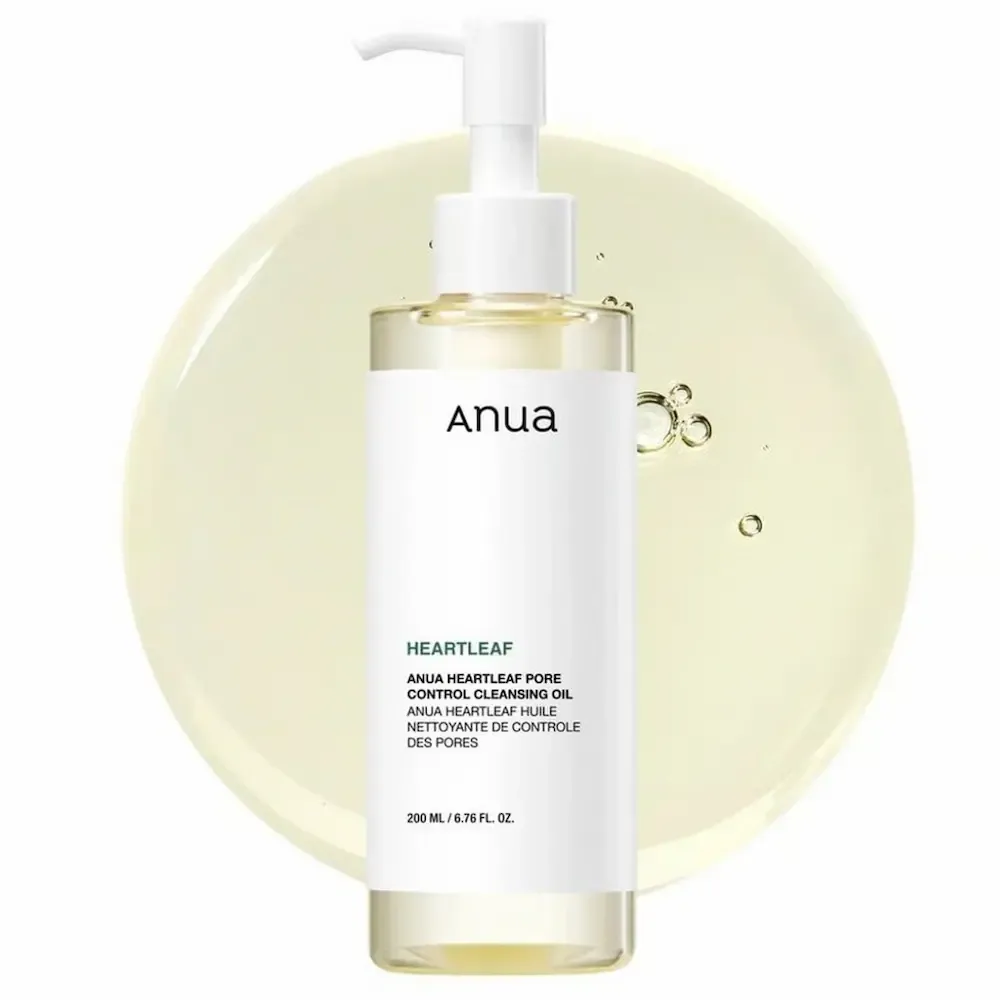
Anua Heartleaf Pore Control Cleansing Oil
Effectively cleanses while keeping the skin's moisture levels balanced.
Step 2: Targeted Repair (Serums)
Nighttime is for Hyaluronic Acid. This molecule can hold 1,000 times its weight in water, pulling moisture into the deeper layers of the epidermis.
The Method: Always apply HA to damp skin. If applied to dry skin in a dry room, it can actually pull moisture out of your skin.
Recommended Product
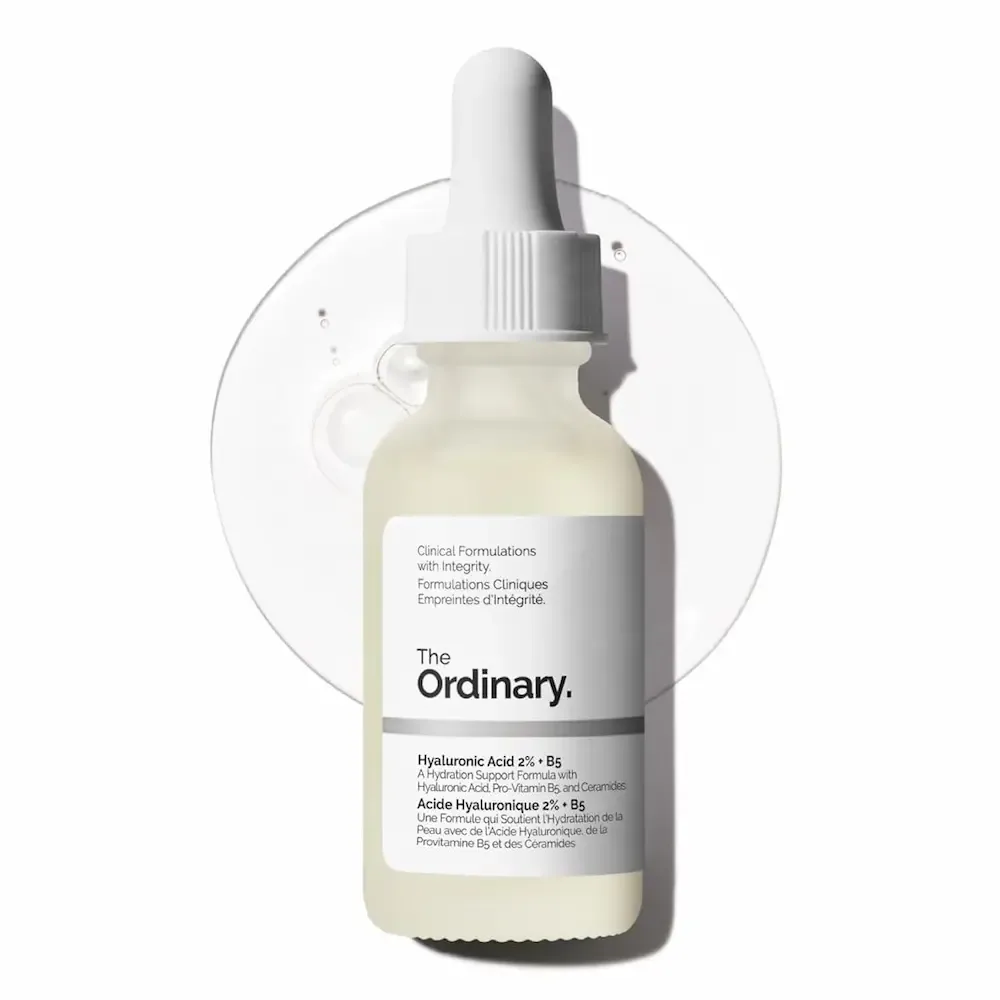
The Ordinary Hyaluronic Acid 2% + B5
A straightforward booster for instant plumping.
Step 3: The Retinoid (With Caution)
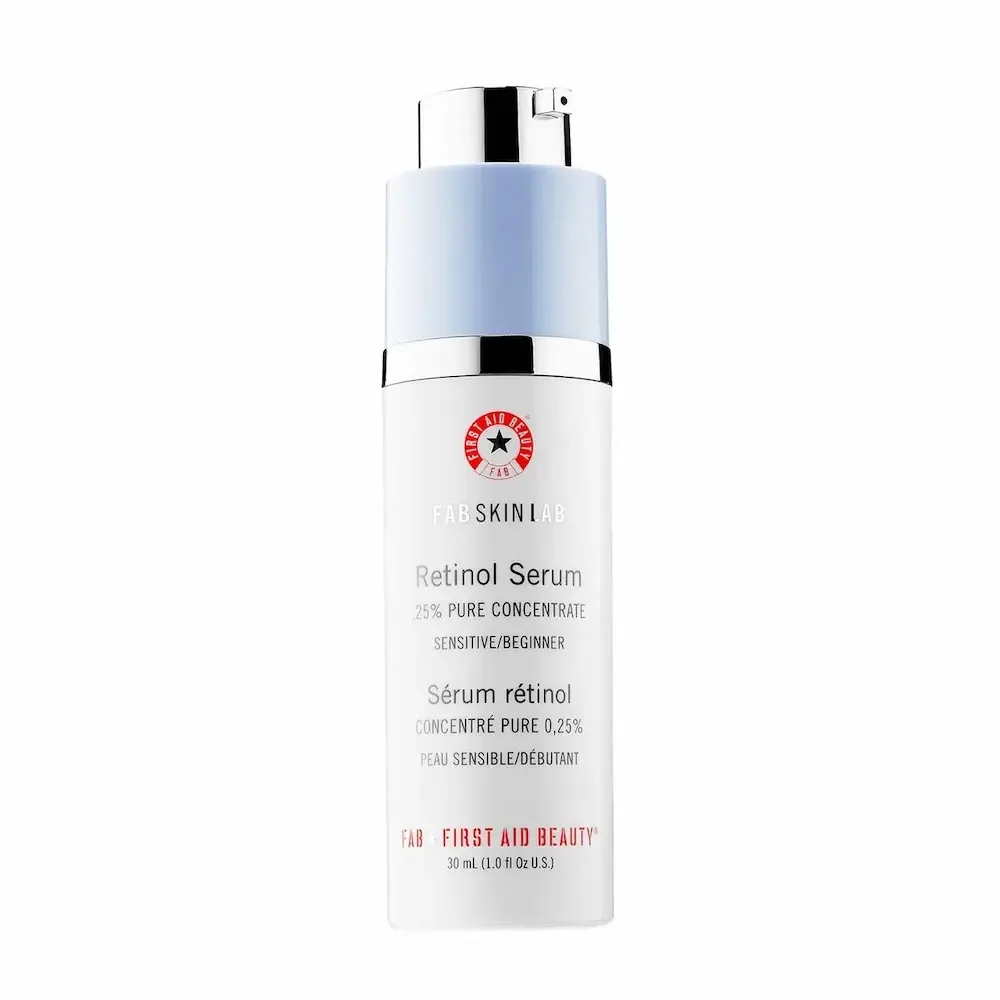
Retinoids are essential for anti-aging, but they often dry the skin. Dry skin types should use the "Sandwich Technique": Moisturizer -> Retinol -> Moisturizer.
Recommended Product
First Aid Beauty FAB Skin Lab Retinol Serum 0.25%
A low-concentration "beginner" retinol specifically designed for sensitive and dry skin.
Step 4: The Overnight Recovery (Night Cream)
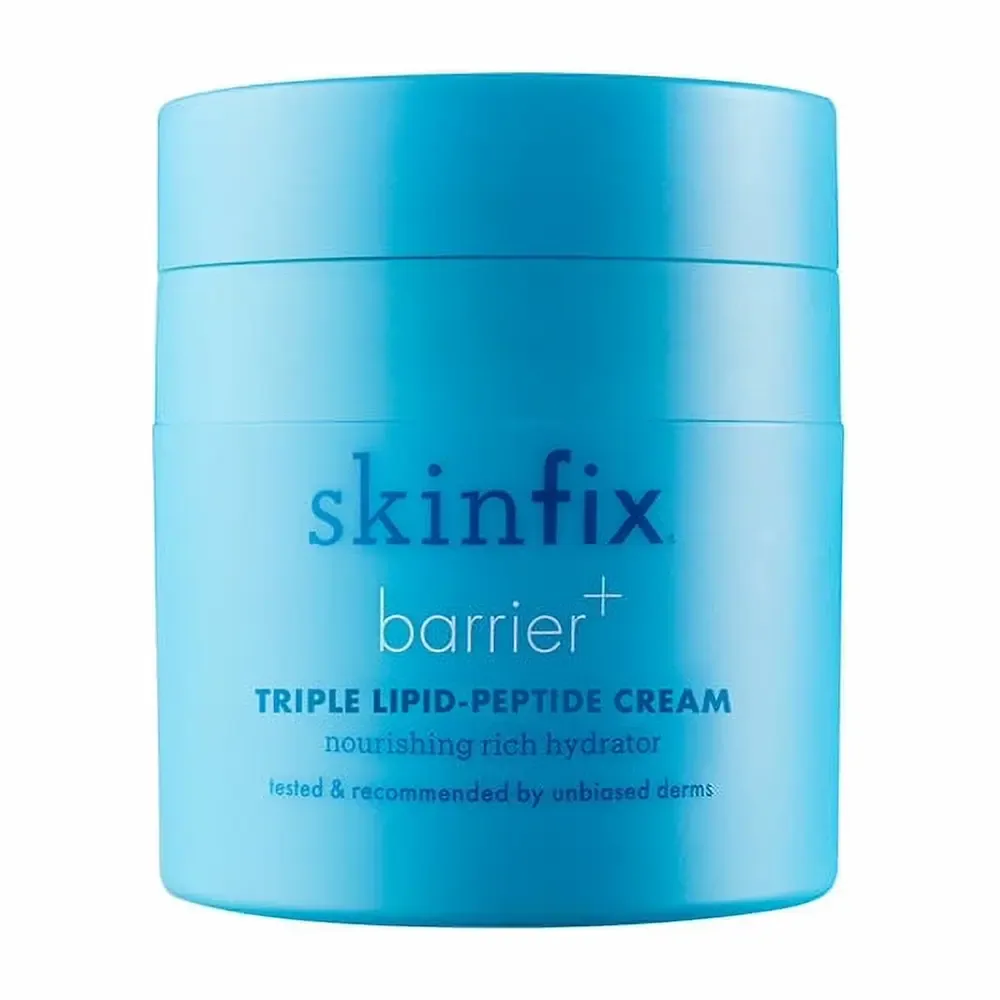
Your PM moisturizer should be your thickest product. It should contain Ceramides (to fix the "mortar") and Fatty Acids to deeply nourish.
Recommended Product
Skinfix Barrier+ Triple Lipid-Peptide Cream
The maker says it raises skin lipids and restores the barrier quickly.
Step 5: The Occlusive Layer (Optional)
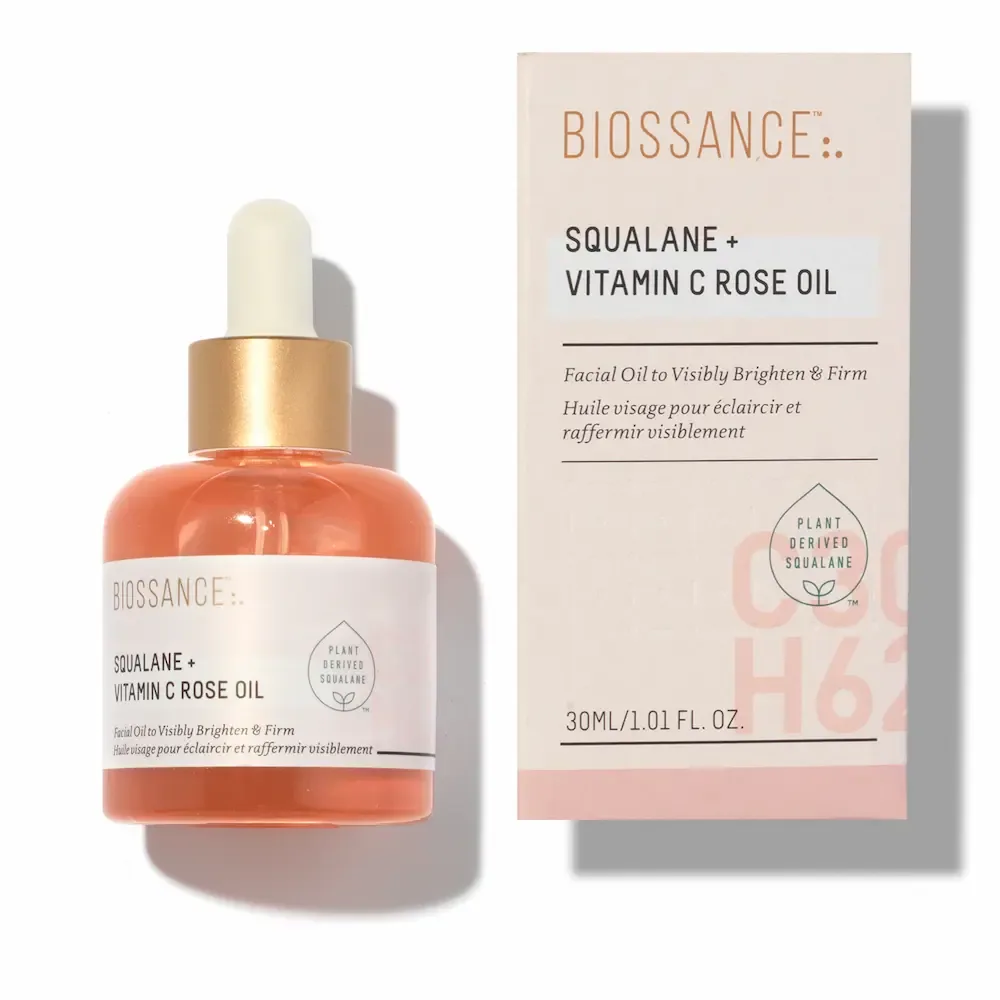
If your skin still feels dry in the morning, try "slugging" or using a face oil as the final step. This creates an impenetrable seal that forces the moisture into your skin while you sleep.
Recommended Product
Biossance Squalane + Vitamin C Rose Oil
A lightweight oil that provides a luxurious finish and extra barrier support.
Pro-Tips for Managing Dry Skin
The 3-Minute Rule:
Apply your first layer of skincare (toner or moisturizer) within three minutes of stepping out of the shower. This traps the "steam" hydration in your skin before it can evaporate.
Use a Humidifier
Especially in winter or air-conditioned environments, a humidifier adds water to the air so your skin doesn't have to provide it.
Lukewarm is the Law
Hot water dissolves the natural oils on your skin's surface. Wash your face and body with lukewarm water only.
Pat, Don't Rub
Use a soft microfiber towel to pat your skin dry. Rubbing causes friction that can damage a fragile dry-skin barrier.
Frequently asked questions
Can I use Hyaluronic Acid if I live in a dry climate?
Yes, but you must apply it to damp skin and seal it immediately with a rich moisturizer. In dry environments, Hyaluronic Acid can actually pull moisture out of your skin if there isn’t enough humidity in the air or a barrier (moisturizer) on top to lock it in.
How often should I exfoliate if my skin is dry and peeling?
Counter-intuitively, more exfoliation isn’t better for flakiness. Limit exfoliation to once a week using a gentle AHA like Lactic Acid, which hydrates while it exfoliates. Avoid physical scrubs, as they can create micro-tears in an already compromised dry skin barrier, leading to more irritation.
What is the difference between a hydrating serum and a moisturizer for dry skin?
Think of a hydrating serum (humectant) as a “drink of water” for your skin cells, while a moisturizer (emollient/occlusive) is the “lid” that keeps that water from evaporating. For dry skin, you need both: a serum to provide deep moisture and a cream to repair the barrier and prevent Trans-Epidermal Water Loss (TEWL).
Should I wash my face with a cleanser in the morning if my skin is very dry?
If your skin feels tight or flaky when you wake up, you can skip the cleanser and simply rinse with lukewarm water. This preserves the natural oils your skin produced overnight. However, if you use a heavy occlusive (like a sleeping mask or facial oil) at night, a very gentle, non-stripping cream cleanser is recommended to prep your skin for morning hydration.
Should I scrub away the flaky patches on my dry skin?
No. One of the biggest mistakes is trying to “exfoliate away” flakes. Scrubbing at rough patches can further damage your fragile skin barrier, leading to more inflammation and dryness. Instead, use the “Dewy and Drenched” philosophy of layering humectants and rich emollients to soften the skin.
Related guides
Sources used on this page
- Fulton JE Jr, Pay SR, Fulton JE 3rd. “Comedogenicity of current therapeutic products, cosmetics, and ingredients in the rabbit ear.” Journal of the American Academy of Dermatology, January 1984;10(1):96–105. (opens in a new tab) Rabbit-ear ratings of ingredients one by one. It is behind a paywall and we have not read it, so no rating on this site is attributed to it.
- Draelos ZD, DiNardo JC. “A re-evaluation of the comedogenicity concept.” Journal of the American Academy of Dermatology, March 2006;54(3):507–512. doi:10.1016/j.jaad.2005.11.1058 (opens in a new tab) Found that animal-model results did not reliably predict what happened on human skin, and that a rating for a single ingredient does not tell you how a finished product will behave.
- U.S. Food and Drug Administration, “Cosmetics Labeling Claims”. (opens in a new tab) States that the FDA does not keep a list of approved or accepted cosmetic claims; a label must simply be truthful and not misleading. There is no FDA definition of “non-comedogenic” for a brand to meet.