Non-Comedogenic Oils: Which Oils Won't Clog Pores?
Using oil on your face when you have oily or acne-prone skin sounds like a recipe for disaster. However, the right facial oils can actually balance your sebum production, strengthen your skin barrier, and soothe inflammation without causing a single breakout. The secret lies in understanding the comedogenic scale—a system that ranks ingredients from 0 to 5 based on how likely they are to clog your pores.
Non-comedogenic oils (typically those with a rating of 0, 1, or 2) are molecularly “breathable.” Unlike heavy waxes or thick butters that sit on the surface and trap bacteria, these oils are often rich in linoleic acid—a fatty acid that acne-prone individuals are often deficient in. By replenishing your skin with these “thin” oils, you can dissolve hardened sebum plugs and keep your complexion clear and hydrated.

The Comedogenic Scale: A Cheat Sheet
Before diving into specific oils, it’s important to understand the ranking system used by dermatologists and estheticians to vet skincare ingredients:
- Rating 0: Will not clog pores.
- Rating 1: Very low likelihood of clogging pores.
- Rating 2: Moderately low likelihood. Most people find these safe, though reactive skin should patch test.
- Rating 3-5: Moderate to high likelihood. These are “red zone” oils for acne-prone skin (e.g., Coconut Oil, Wheat Germ Oil).
Linoleic vs. Oleic Acid: The Science of "Clear" Oils
Research shows that people with persistent acne often have lower levels of linoleic acid in their skin’s surface lipids. When linoleic acid is low, your sebum becomes thick, sticky, and more likely to clog pores. Most non-comedogenic oils are high in linoleic acid, which helps “thin out” your natural oil. Conversely, oils high in oleic acid are richer and more moisturizing, making them better suited for dry or mature skin rather than those fighting active breakouts.
The Best Non-Comedogenic Oils for Your Skin
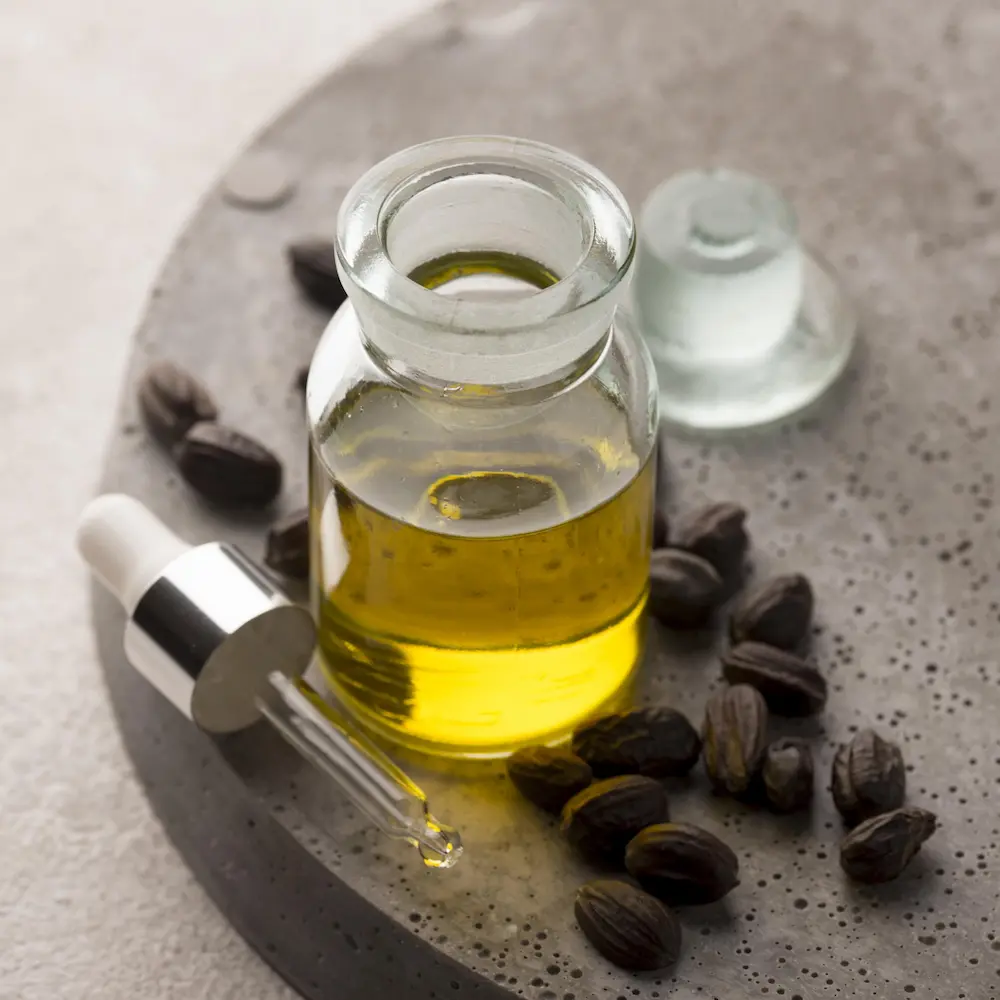
Is jojoba oil comedogenic? Technically, it is a “liquid wax ester” rather than a true oil. Because its chemical structure is nearly identical to human sebum, it can trick the skin into producing less oil. While it has a rating of 2, it is widely considered the “Holy Grail” for oily skin because it helps dissolve debris within the follicle.
PROS
- Biomimetic: Mimics your skin’s natural oils to balance sebum production.
- Naturally antibacterial and anti-inflammatory properties.
- Long shelf life and highly stable (doesn’t go rancid easily).
- Deeply penetrates the skin without a heavy, greasy residue.
CONS
- Rating of 2 means a small percentage of very reactive users may purge.
- Not as “light” as oils like Safflower or Hemp seed.
- Pure versions can be expensive compared to other carrier oils.
- Must be cold-pressed to retain its healing nutrients.
Ingredient Analysis: Jojoba is unique because it’s non-occlusive. It provides a protective barrier while still allowing the skin to “breathe,” making it excellent for combination skin.
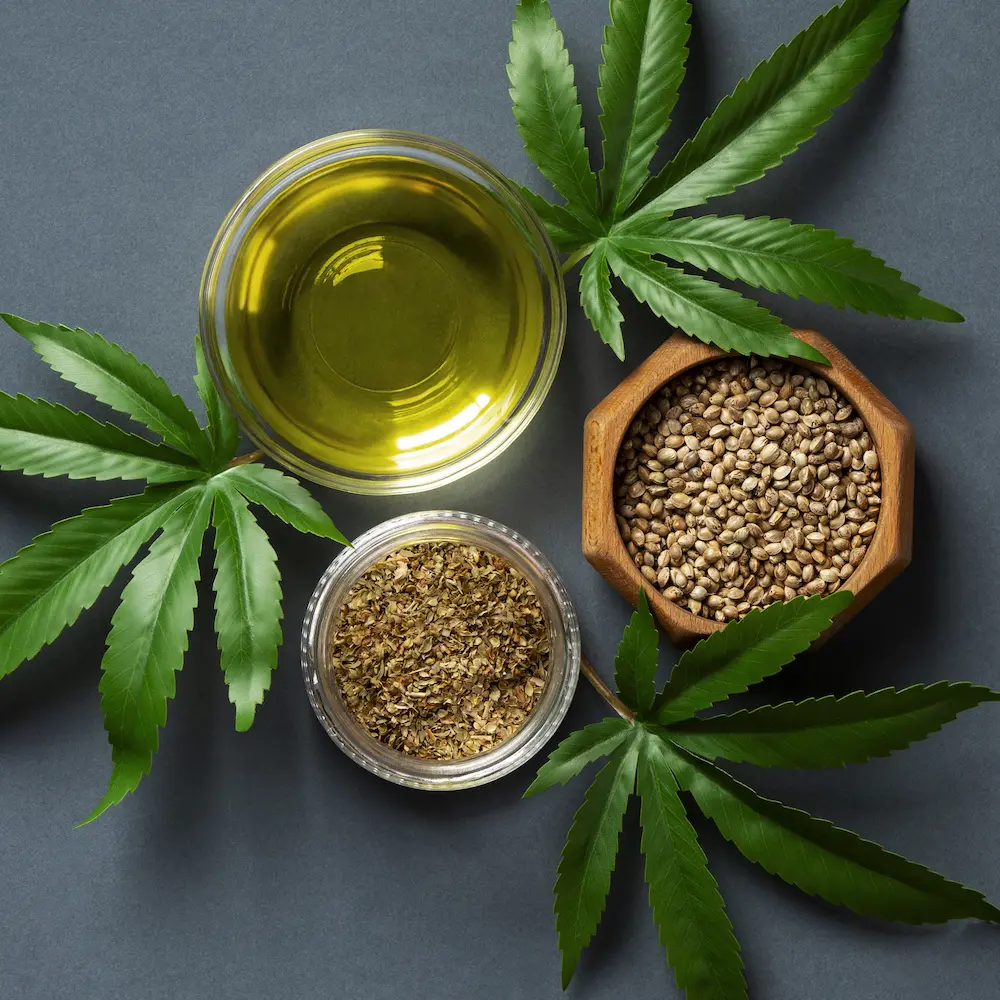
Hemp seed oil is a powerhouse for anyone with active inflammatory acne. With a rating of 0, there is virtually no risk of it clogging your pores. It is exceptionally high in linoleic acid and antioxidants, helping to calm the redness associated with “angry” breakouts.
PROS
- Absolute Zero Rating: Guaranteed not to clog even the most sensitive pores.
- Incredible at reducing skin redness and irritation.
- Helps regulate oil production at the cellular level.
- Contains Omega-3 and Omega-6 fatty acids for barrier repair.
CONS
- Has a distinct “earthy” or nutty scent that some find unpleasant.
- Very short shelf life; needs to be kept in a cool, dark place (or fridge).
- The thin consistency can feel “too light” for those with dry patches.
- Often mistaken for CBD oil (it contains no THC/CBD).
Ingredient Analysis: A true 0-rated oil. Its high linoleic content makes it the ideal “thinning agent” for sticky, acne-prone sebum.
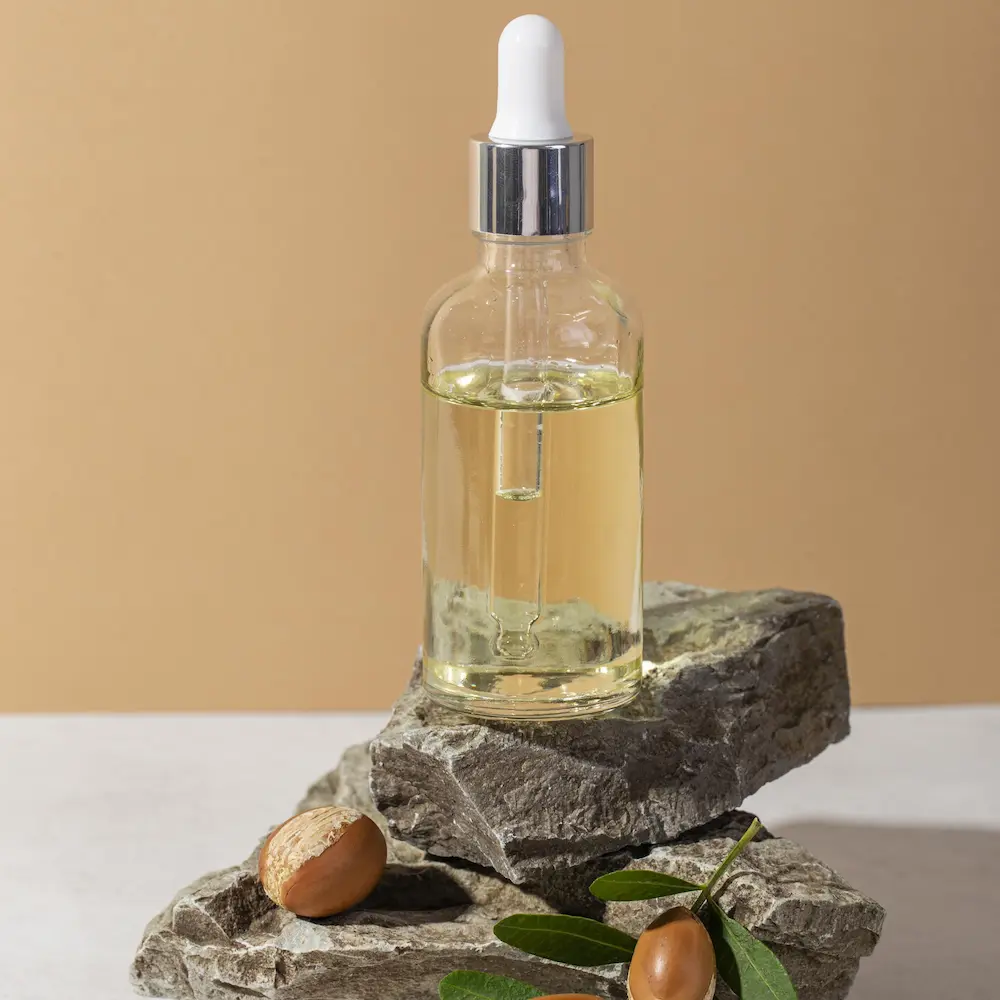
Squalane is a saturated version of squalene, a natural component of our skin’s sebum. Because it is saturated, it is incredibly stable and won’t oxidize on your skin. Oxidation is a major trigger for blackheads, so using a stable oil like squalane is a smart move for pore health.
PROS
- Extremely lightweight and absorbs almost instantly.
- Won’t oxidize on the skin, reducing the risk of blackheads.
- Completely odorless and colorless.
- Safe for those with fungal acne (Malassezia folliculitis).
CONS
- Usually more expensive than standard vegetable oils.
- Does not provide as many vitamins/antioxidants as Rosehip or Argan.
- Can be derived from shark liver (always look for “100% Plant-Derived”).
- Feels very “slippery,” which some users find odd.
Ingredient Analysis: Highly recommended for those who hate the “feeling” of oil. It behaves more like a serum than a traditional oil.

If you are dealing with post-acne marks (hyperpigmentation) as well as active breakouts, Rosehip is your best friend. It is naturally rich in Vitamin A (retinoic acid) and Vitamin C, which promote cell turnover and brighten the skin.
PROS
- Brightens post-acne scars and dark spots effectively.
- Rich in pro-vitamin A to support skin regeneration.
- Lightweight and non-greasy “dry oil” feel.
- Excellent for anti-aging and smoothing skin texture.
CONS
- Can be unstable; sensitive to light and heat.
- Natural orange hue can stain white pillowcases if not absorbed.
- Not a replacement for prescription retinoids despite containing Vitamin A.
- Has a mild “fishy” or hay-like scent when organic.
Ingredient Analysis: A rating of 1 makes it very safe. Its ability to speed up “skin recycling” makes it a top choice for healing the aftermath of a breakout.
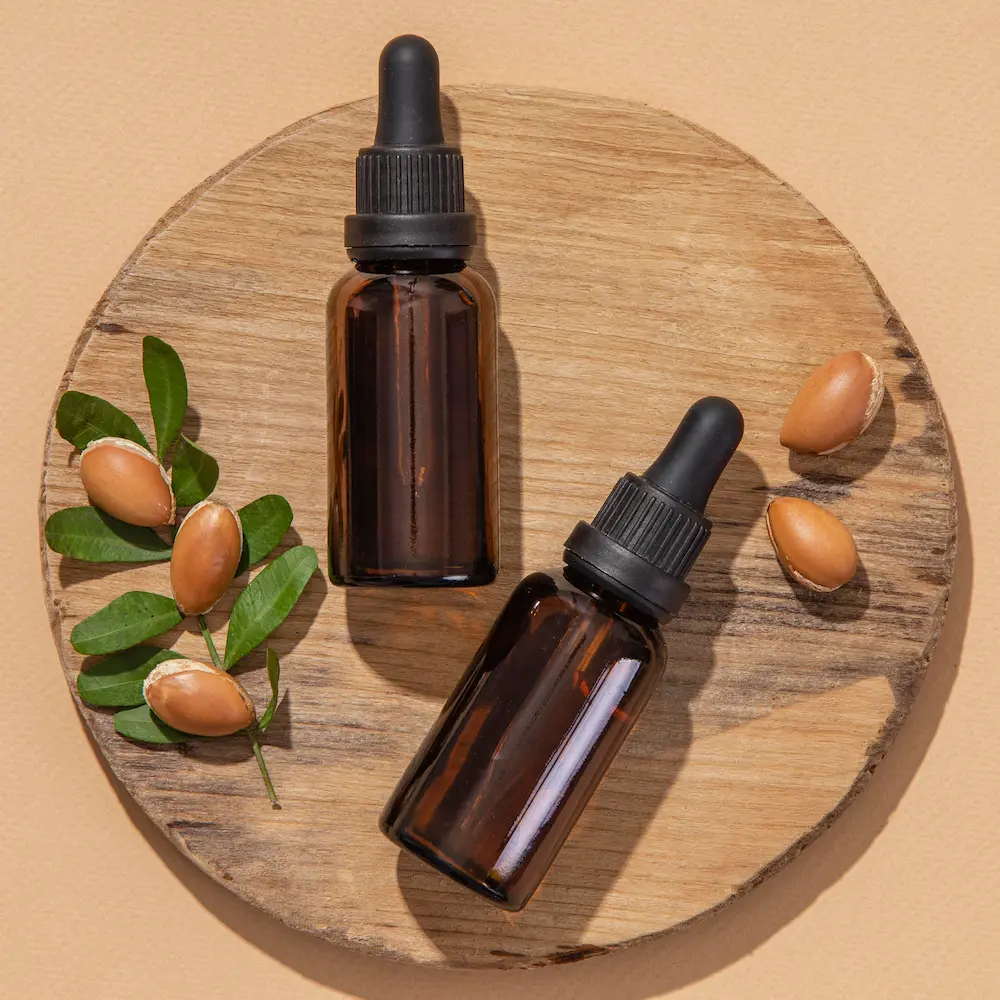
Known as “liquid gold,” Argan oil is surprisingly safe for acne-prone skin despite its rich feel. It is high in Vitamin E and saponins, which soften the skin and reduce the appearance of fine lines without causing congestion.
PROS
- Rated 0 on the scale: Exceptional safety profile for all skin types.
- Highly effective at healing the skin barrier.
- Reduces sebum levels in people with excessively oily skin.
- Multipurpose: Can be used on face, hair, and cuticles.
CONS
- Often faked; you must ensure it is 100% pure Moroccan Argan.
- The thick texture may feel “heavy” to those used to gels.
- High price point for authentic, cold-pressed versions.
- Can cause reactions in those with rare nut allergies.
Ingredient Analysis: A rare example of a “rich” oil that doesn’t clog pores. It’s perfect for the “slugging” method if you want to avoid petroleum jelly.
3 Common Morning Skincare Mistakes to Avoid
Before diving into specific oils, it’s important to understand the ranking system used by dermatologists and estheticians to vet skincare ingredients:
- Rating 0: Will not clog pores.
- Rating 1: Very low likelihood of clogging pores.
- Rating 2: Moderately low likelihood. Most people find these safe, though reactive skin should patch test.
- Rating 3-5: Moderate to high likelihood. These are “red zone” oils for acne-prone skin (e.g., Coconut Oil, Wheat Germ Oil).
Linoleic vs. Oleic Acid: The Science of "Clear" Oils
Research shows that people with persistent acne often have lower levels of linoleic acid in their skin’s surface lipids. When linoleic acid is low, your sebum becomes thick, sticky, and more likely to clog pores. Most non-comedogenic oils are high in linoleic acid, which helps “thin out” your natural oil. Conversely, oils high in oleic acid are richer and more moisturizing, making them better suited for dry or mature skin rather than those fighting active breakouts.
Frequently Asked Questions
Which non-comedogenic oils are best for balancing oily or acne-prone skin?
If you have oily skin, look for oils high in linoleic acid, such as Grapeseed, Hemp Seed, or Rosehip oil. These are “dry oils” that absorb quickly and help thin out your skin’s natural sebum, making it less likely to get stuck and form a plug (clogged pore). Jojoba oil is another top choice because it mimics the skin’s natural sebum, tricking your skin into producing less oil over time.
Can I use non-comedogenic oils if I have dry or mature skin?
Yes, but you may want an oil that is more “occlusive” than a standard acne-friendly oil. While very light oils like squalane are great, dry skin types often prefer Argan oil or Sunflower seed oil. These provide deeper hydration and help repair the skin barrier without the heavy risk of breakouts associated with highly comedogenic oils like coconut oil or cocoa butter.
What is the best way to apply non-comedogenic oils to prevent congestion?
To get the benefits without the “greasy” feeling, apply 2–3 drops to damp skin or mix them into your moisturizer. Applying oil to damp skin helps it penetrate better and prevents it from just sitting on the surface where it could potentially trap dead skin cells. If you are extremely breakout-prone, try using the oil as the first step in a “double cleanse”—massaging it on to dissolve makeup and dirt, then washing it off with a gentle water-based cleanser.
Can Jojoba Oil actually help reduce my skin's oiliness?
Yes. Jojoba oil is technically a “liquid wax ester” with a chemical structure nearly identical to human sebum. Because of this, it can trick your skin into thinking it has produced enough oil, which helps balance and reduce overall sebum production. It also helps dissolve hardened sebum plugs within the follicles.
Why does the ratio of Linoleic vs. Oleic acid matter for acne-prone skin?
Research indicates that individuals with persistent acne often have lower levels of linoleic acid in their skin’s lipids. When linoleic acid is low, natural sebum becomes thick and sticky, leading to clogged pores. Non-comedogenic oils are typically high in linoleic acid, which helps “thin out” your natural oil and keep pores clear, whereas oils high in oleic acid are richer and better suited for dry or mature skin.